

























































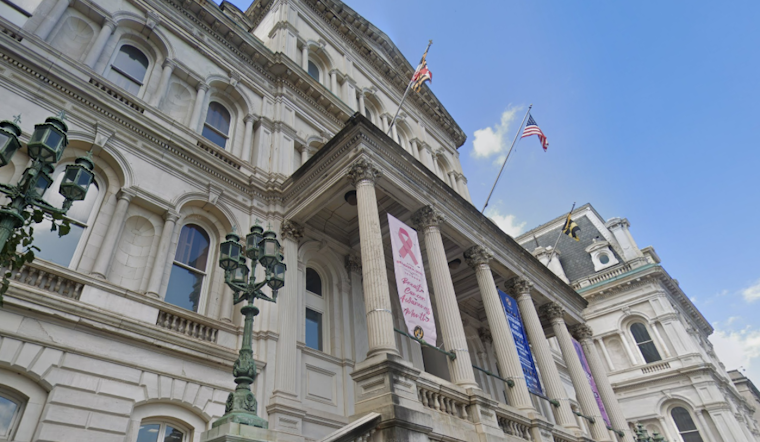
Baltimore is already lugging around one of the heaviest municipal bond burdens in Maryland, and this fall voters are being asked to let City Hall tack on another $280 million in borrowing. The size of that tab, and how it stacks up against the city’s tax base, has triggered warnings from economists and budget watchdogs. With interest rates still running high and local budgets under strain, the vote will put Baltimore’s remaining borrowing room to the test.
Where Baltimore Stacks Up
According to The Baltimore Sun, the city carries about $4.1 billion in outstanding bond debt, the third-largest total in Maryland. Only Montgomery County, at roughly $8.9 billion, and Prince George’s County, at about $5.8 billion, owe more in bonds, based on the Sun’s review of statewide debt measures.
Debt Versus The Tax Base
Economists say the more telling number is not the raw debt total, but how it compares with what the city can actually tax. Baltimore’s outstanding bonds add up to about 8.9% of its assessable property tax base, roughly double the statewide average. Local analysts say that kind of ratio leaves the city with little margin for error. That figure was highlighted in statewide 2026 debt measures and then pulled into local coverage; WBFF/Fox Baltimore reported on the analysis.
What Voters Will Decide
The November ballot question would ask residents to authorize roughly $280 million in new borrowing for capital projects. City leaders say they want the money for repairs and neighborhood investments, while critics warn that every new project comes with long-term debt payments attached. The Department of Legislative Services’ Local Government Overview and related fiscal notes are the main statewide compilations tracking outstanding local debt, and Baltimore’s own FY2026 operating budget, at about $4.6 billion, is one way to gauge how much capacity is left. For background on those numbers and how officials are framing the tradeoffs, the DLS fiscal note and CBS Baltimore provide additional context.
Where To Watch
Between now and Election Day, the Board of Estimates, City Council hearings, and competing campaign messages are likely to shape how voters see the proposal. Expect arguments from advocates focused on long-delayed projects, and from watchdogs pressing for clarity on what might have to give later to cover the extra debt service. Residents looking to sort through the noise should watch for detailed project lists, independent cost estimates, and any analysis that spells out how higher debt payments could affect future tax bills and city services.



