

























































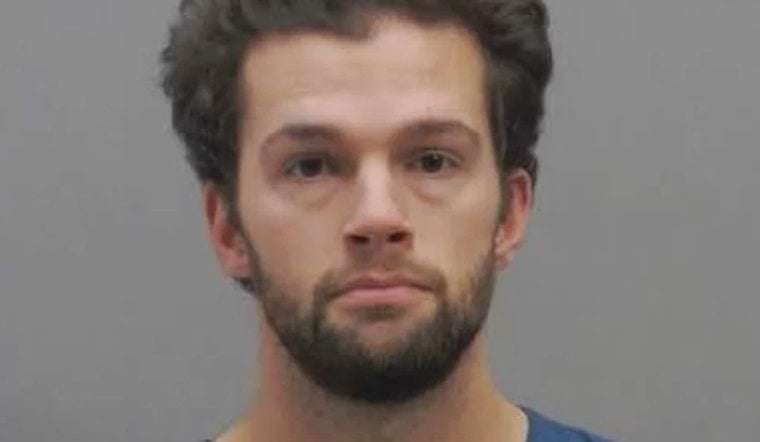
A Batavia Township man who prosecutors say bilked investors in an "Amazon automation" venture walked out of court without a prison sentence Wednesday, despite authorities tying him to a scheme that cost investors nearly $1 million. Cody Clay Winn, who operated Market Modern LLC and pitched the plan on social media under the name "Cody Clay," accepted a plea deal that wipes out dozens of felony counts tied to the operation. The agreement comes after an investigation launched when a California resident reported losing money to someone using that alias.
Probation And Restitution Terms
Under the plea, Winn was sentenced to five years of supervised probation and must keep making $5,000 monthly payments for five years, creating a $400,000 restitution obligation on top of roughly $100,000 already returned to victims, according to Local12. The judge had the option to hand down as much as 22 years behind bars, but agreed to the restitution-centered deal, the outlet reports. For many victims, the court-ordered payment plan is now the primary path to recoup at least part of what they lost while the court keeps Winn on a tight supervisory leash.
How The Scheme Worked
Prosecutors say Winn marketed turnkey Amazon storefronts through Market Modern LLC and a YouTube channel, promising investors passive income from online shops that a partner company would manage for them. According to WCPO, investors were typically asked to put in between $25,000 and $60,000, with many later reporting they saw little or none of the returns they had been pitched. Authorities say some storefronts were created, but profits did not flow back to investors as advertised, and Winn often became difficult to reach when people started asking questions.
Investigation, Timeline And Bank Records
The investigation kicked off after an Orange County, California resident reported a loss in October 2023, prompting detectives to start following the money and reviewing storefront activity over several months. A sheriff's press release from the Clermont County Sheriff's Office states that investigators traced hundreds of thousands of dollars moving through Winn's accounts between March and September 2023 and concluded he spent roughly $50,000 to $365,000 a month on personal expenses and advertising, according to the sheriff's office. Those banking records helped prosecutors map out the scale of the losses and connect complaints from multiple states.
Victims' Reaction
Many investors told reporters they were left financially gutted after buying into Winn's pitch and waiting for returns that never showed up. Linda Scott, an assistant county prosecutor, told WLWT that "the defendant began taking their money," and prosecutors say he did not pay the e-commerce operators who were supposed to build and manage the stores. Several investors have also turned to civil courts in an effort to claw back more of their losses while criminal restitution rolls out under the plea agreement.
Legal Context
Winn originally faced a sweeping grand jury indictment that stacked up dozens of telecommunications-fraud and theft counts; official records and local coverage indicate the first indictment carried roughly 93 counts before additional charges were filed and the plea deal narrowed the case. FOX19 reported that Winn ultimately pleaded guilty to 15 counts of grand theft under the negotiated agreement. Prosecutors say the deal is designed to prioritize restitution and long-term supervision, and the court has reserved the right to seek harsher penalties if Winn slips on payments or violates probation, according to Local12.
As the restitution clock starts ticking, victims and local officials will be watching to see whether the structured payments bring any meaningful financial relief. The case serves as a cautionary tale for would-be investors to scrutinize promises of effortless e-commerce income and insist on clear, detailed written agreements before wiring away life-changing sums.





