

























































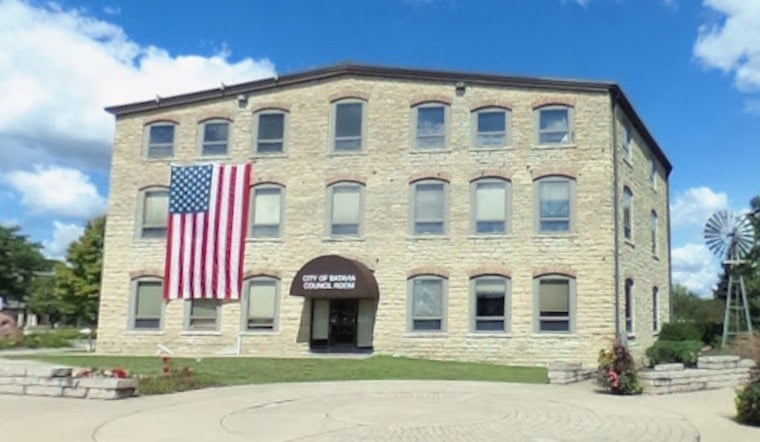
Batavia’s City Council has signed off on a redevelopment deal that puts $1 million in tax-increment financing toward a 72-unit affordable housing complex on the Fox River, turning a long-vacant limestone quarry at 400 S. River St. into a new residential hub. The four-story Residences at River Pointe is slated to offer a mix of one-, two- and three-bedroom apartments, with council members framing the project as a boost to local affordable and workforce housing options.
Council sign-off, timeline and developer
The redevelopment agreement trims the city’s earlier $1.2 million pledge to a $1 million TIF incentive and includes a clawback that would require the developer to either repay the subsidy or hand over the land if the project is not finished within five years, as reported by the Chicago Tribune. Developer Martell Armstrong told the paper his team expects to close on the property in July and begin construction as soon as possible afterward, with a build timeline of about 14 months. Local meeting notes show the measure passed unanimously at the June 1 council meeting, according to the Batavia 5th Ward recap.
Unit mix and state tax-credit backing
The current plan calls for 72 units: 52 one-bedroom, 17 two-bedroom and three three-bedroom apartments, with rents tied to different income levels. The developer has divided the units into 18 apartments at or below 30% of area median income, 38 at or below 60% AMI and 16 at or below 80% AMI, according to the Kane County Chronicle. The project has also landed a commitment of Low-Income Housing Tax Credits from the Illinois Housing Development Authority, a state program that typically locks in affordability requirements for decades.
How the financing fits together
City documents indicate the TIF money is earmarked mainly for land acquisition and soft costs such as engineering and architectural work, according to the City of Batavia project page. A staff memo reviewed by reporters pegs total development costs at more than $28 million and estimates the finished site could generate over $155,000 a year in property tax revenue for all taxing bodies after a 15-year abatement period expires. The redevelopment agreement also sets up a Payment-In-Lieu-Of-Taxes structure that would start at about $15,000 in the first assessment year and increase by roughly 3% annually, as reported by the Chicago Tribune.
Neighbors and the TIF debate
Earlier public hearings drew some pushback from nearby residents who questioned the size of the building, potential parking and traffic issues and asked for design tweaks to better reflect existing development, according to the Kane County Chronicle. Those concerns plug into a broader argument over TIF policy, where supporters say the tool helps redevelop long-dormant, non-revenue-generating parcels, while critics contend that diverting the tax increment can limit short-term funding for schools and other basic services.
What comes next
With the council’s approval and the IHDA tax credits in place, the next key steps are the July land closing and finalizing construction financing. If the current schedule holds, the roughly 14-month build could have residents moving in by mid-2027. City staff will track compliance with the redevelopment agreement’s deadlines and clawback rules, and the incentive requires repayment if the developer misses key benchmarks, according to city documents. Residents interested in the project’s progress can keep tabs through city meeting packets and staff memos as the plan moves from the drawing board to the riverfront.




