

























































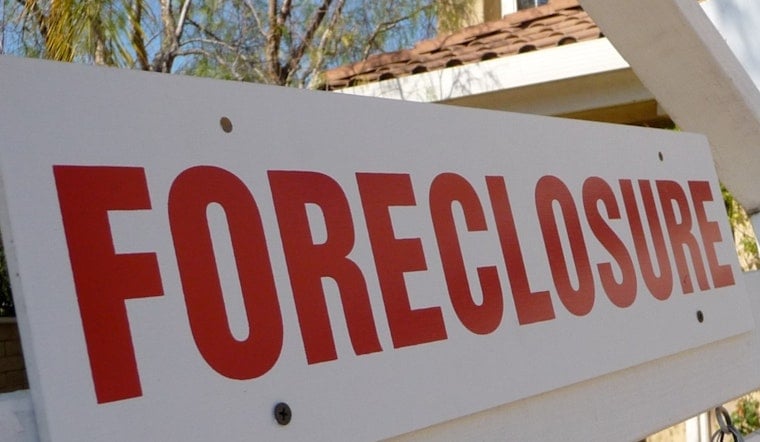
While much of the country is bracing for a rise in foreclosures, Massachusetts just pulled off a rare feat: a roughly 20% drop in its foreclosure rate over the past year. The slide leaves the Bay State with one of the lower per capita filing rates even as national data point to mounting pressure on homeowners and loan servicers.
As reported by Boston Business Journal, the state's foreclosure rate fell about 20% year over year. Reporter Grant Welker framed the decline as a clear outlier that runs against broader U.S. trends.
Nationally, the story is very different. Data from ATTOM show U.S. foreclosure filings climbing in early 2026. ATTOM counted 118,727 properties with foreclosure filings in the first quarter, roughly a 26% increase from a year earlier, and the firm warned that both foreclosure starts and bank repossessions are on the rise. "Foreclosure activity increased in the first quarter," ATTOM CEO Rob Barber said.
Why Massachusetts Is Swimming Against The Tide
Local analysts point to two main factors behind Massachusetts' relative calm: strong homeowner equity and the state's judicial foreclosure process, which slows the path from delinquency to completed repossession. According to The Warren Group, statewide filing volumes remain lower than in many national hotspots, even as pockets of distress persist.
Where Foreclosure Petitions Still Sting
The Massachusetts Housing Partnership's latest Housing Stability Monitor, which tracks filings through December 2025, finds that foreclosure petition rates are still clustered in a handful of communities: Springfield, Brockton, Gardner and Fitchburg among them. The monitor also notes that Dukes County recorded one of the highest petition rates over the period.
That uneven map helps explain how the statewide rate can fall while some local markets are still feeling real pain. In other words, Massachusetts looks better on average, but not everyone is sharing equally in the good news.
What This Means For Homeowners And Lenders
Experts caution that a one year drop is not a long term safety guarantee. Surging foreclosure starts and lender repossessions in other parts of the country are already putting pressure on servicers and their vendors, and those operational strains can spill into state courts and foreclosure timelines, according to HousingWire. For many Massachusetts homeowners, accumulated equity still provides a useful cushion, but borrowers dealing with insurance spikes, rising taxes or adjustable rate resets could run into trouble in the months ahead.
State researchers and housing advocates say better access to court and eviction data would help them spot trouble earlier, a recommendation highlighted in the Housing Stability Monitor. For now, Massachusetts looks comparatively stable, but analysts say the next few quarters will reveal whether the state's low filing rate can hold as national foreclosure activity continues to climb.





