

























































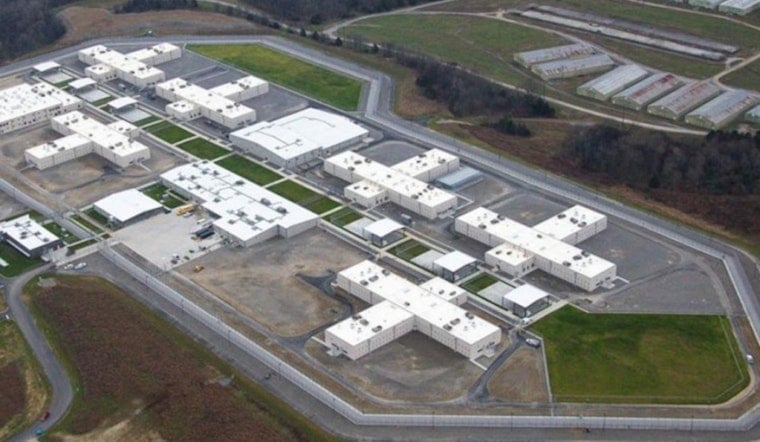
State lawmakers have moved to require body-worn cameras for guards at Trousdale Turner Correctional Center, but the one-year pilot they approved is already behind schedule. The program was supposed to start on July 1. Instead, CoreCivic, the private operator of the Hartsville prison, says it needs more time to install the equipment. The company has agreed to buy the cameras and related hardware, and the bill’s sponsor is already signaling a revised timeline. All of this is unfolding against a backdrop of violent incidents at the facility and an ongoing federal civil-rights investigation.
What the law would do
The measure requires every correctional officer at Trousdale Turner to use a recording body camera while on duty when they could reasonably anticipate contact with an incarcerated person, and it puts the tab for purchase, storage, and maintenance on the prison contractor. According to the legislation filed with the Tennessee General Assembly, any footage suspected of showing unlawful or abusive conduct must be promptly reviewed and preserved, and potentially prosecutable recordings are to be sent to the district attorney within 48 hours. The bill also allows footage deemed a security risk to be transmitted and maintained confidentially. Those requirements, including a minimum one-year retention period, are spelled out in the original amendment, while a later Senate amendment adjusted the deadline for some reviews to five business days, as reflected by the Tennessee General Assembly.
CoreCivic to buy gear, rollout pushed back
Brentwood-based CoreCivic has agreed to spend about $350,000 to outfit the prison with cameras and related equipment, and company representatives say the devices have been ordered and operating policy is in the works, according to local reporting. Because of supply and setup delays, Sen. Tom Hatcher has now given CoreCivic until Sept. 1 to “go online” with the pilot and told lawmakers he will adjust the program timeline so the state still gets a full year of data, as reported by Times Free Press. The Tennessee Department of Corrections has warned that body cameras in prisons come with privacy and logistical complications and has estimated that ongoing costs to review and manage the footage could run into the millions, according to coverage by WSMV.
Federal probe and the 2025 disturbance
Trousdale Turner has been under a Justice Department civil-rights investigation since August 2024, after years of reports about understaffing, assaults, and inmate deaths, the U.S. Department of Justice announced. The facility also saw a large disturbance in 2025 in which incarcerated people damaged cameras, set fires, and left several people with minor injuries, according to reporting by The Associated Press. That incident became one of the flashpoints that pushed lawmakers to act on body camera legislation.
Critics: cameras will not fix deeper problems
Critics are not sold on the idea that cameras alone will fix Trousdale Turner’s problems. Defense attorneys and advocates argue that body cams will not address chronic staffing shortages, gaps in medical care, and other system-level failures at the privately run facility, a concern reported by Tennessee Lookout. CoreCivic’s leadership has urged cooperation with lawmakers and says the company will operate within whatever framework the legislature adopts, while also contending that cameras can protect staff and deter misconduct.
What comes next
Sen. Hatcher has told reporters he plans to amend Senate Bill 1820 to extend the pilot period if the July start date slips, effectively moving the program window so the state still collects a full year of results, according to Times Free Press. Lawmakers are now watching to see whether CoreCivic hits the Sept. 1 target, while the Department of Corrections and local prosecutors prepare procedures for reviewing, transmitting, and safeguarding footage if the pilot goes forward.





