

























































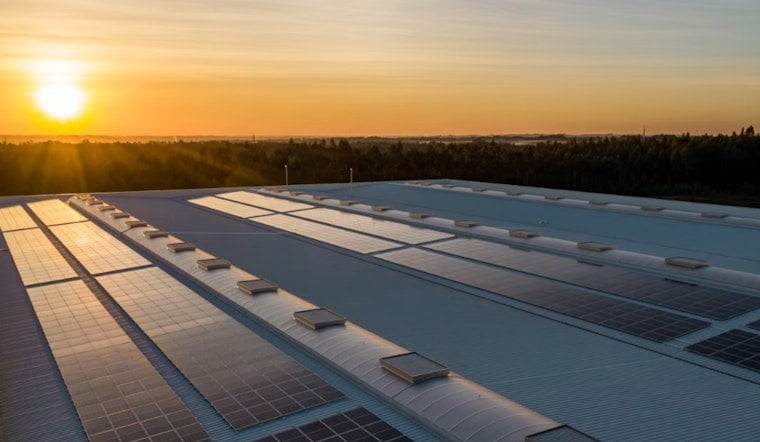
Boston is testing a new way to get solar panels on rooftops without draining homeowners’ bank accounts. The Boston Home Center’s Solar Loan Pilot is offering up to $25,000 in 0% deferred-interest financing, with a long path to forgiveness for owner-occupants and the option to bundle in roof work when needed. The program is intentionally small and tightly focused on low- and moderate-income owner-occupants living in one- to four-family homes.
Who qualifies and what the loan covers
According to Boston Home Center, the pilot will assist 20 eligible households, each with access to up to $25,000 in 0% deferred-interest financing for rooftop photovoltaic systems and related project work. The loan can stand alone or be paired with other BHC financing to cover roof repairs or replacements that have to happen before installation. If the homeowner maintains 20 years of continuous owner-occupancy, the debt is fully forgiven; otherwise, any remaining balance is due when the property is sold, refinanced, or transferred. Applicants must meet income and asset limits and be current on City accounts as part of the eligibility review.
How it compares with state financing
Statewide, the Mass Save HEAT Loan also offers zero‑percent financing for qualified home energy upgrades up to similar dollar limits, according to Mass Save. Boston’s pilot differs by targeting income‑eligible city homeowners specifically and by adding the 20‑year forgivable structure, which program designers say lowers the risk for long‑term owner-occupants who might skip solar because of tight cash flow. Together, the local forgiveness feature and broader state financing options are intended to open doors for households that cannot secure traditional loans.
Small pilot, tangible savings
In a press release on Boston.gov, city officials estimated that a typical 7‑kilowatt system funded with the loan could generate about 8,470 kilowatt‑hours of electricity a year, enough to cover a large share of an average household’s power use. The City plans to host an informational workshop on July 9 from 6 to 7 p.m. to walk interested homeowners through assessments, permitting, and how the new loan fits with other local incentives. “This program gives homeowners a new tool to lower their energy costs and access a stable, low‑cost, and carbon‑free source of electricity,” Boston Home Center Chief of Staff Dan Lesser said in the release.
How to apply and what to expect
Homeowners who want to explore the pilot can contact the Boston Home Center at 617‑635‑4663 or [email protected] to verify eligibility and start an application. Staff can also line up a free solar consultation to help compare contractor bids. The application requires two quotes from licensed installers, documentation of income and assets, and proof that all City property accounts are current. Roofs older than 15 years may need to be replaced before panels are installed, and the BHC can help finance that work. The hands‑on approach is meant to cut down on surprises around permitting, utility interconnection, and contractor selection.
Where this fits in Boston’s climate push
The pilot is one piece of Boston’s broader 2030 Climate Action Plan, which sets a goal of cutting community‑wide greenhouse gas emissions roughly in half by 2030, as local outlets reported when the plan was released. Focusing on low‑ and moderate‑income neighborhoods could deliver both utility bill relief and more jobs in local solar installation. City officials say they will track what happens with this first round of 20 households before deciding whether to scale the program up for more Boston homeowners.





