

























































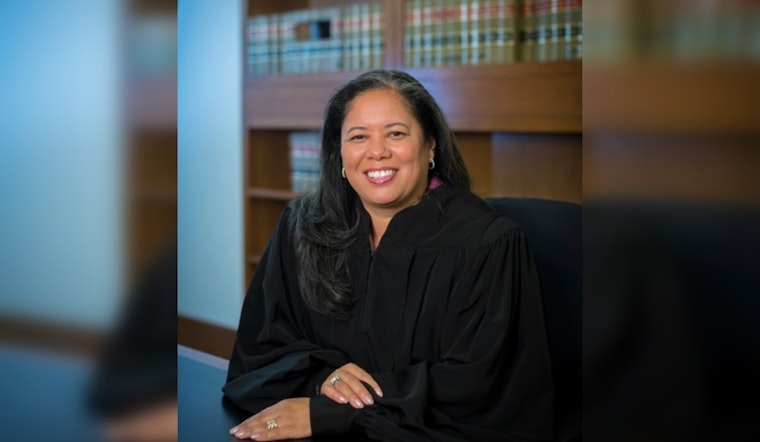
A federal judge in Boston on Friday told the Trump administration to put back what it took down, ordering the Interior Department to restore signs, panels and films removed from national parks and monuments around the country. The ruling pauses a recent effort to strip certain interpretive materials and zeroes in on Philadelphia’s President’s House site, where panels tell the stories of nine people enslaved in George Washington’s household. The government now has three weeks to reinstall what it removed, and it has to keep the court updated while the legal fight plays out.
What the judge ordered
U.S. District Judge Angel Kelley granted the plaintiffs’ request for a stay under 5 U.S.C. §705 and blocked implementation of Section 5 of Secretary’s Order 3431. The judge directed the National Park Service to “restore and reinstall all interpretive materials” that have been altered or removed since May 20, 2025, according to the court’s memorandum and order. The opinion gives the agency twenty-one calendar days to finish the restorations and requires the Interior Department to file status reports every seven days while the case continues.
Why Philadelphia matters
The President’s House site in Old City has become the legal and political flashpoint. In late January, park crews unbolted panels that recount the lives of nine people enslaved in Washington’s household, prompting the City of Philadelphia to sue. Local coverage documented that a separate federal judge in Pennsylvania ordered those panels reinstated and that some displays were reinstalled in February, as reported in a federal order restoring the slavery exhibit.
The Boston order specifically cites those Philadelphia removals, along with changes at other sites, as examples of the broader program the lawsuit is challenging.
How this started
The removals trace back to President Donald Trump’s March 27, 2025 executive order, “Restoring Truth and Sanity to American History,” and to an Interior Department directive issued the following spring. Critics say those moves told agencies to purge materials the administration saw as “inappropriately disparaging” Americans. The White House published a fact sheet describing the March 2025 order, The White House noted, and news coverage has tied that policy to recent removals at Independence National Historical Park and other sites, as chronicled by the Los Angeles Times.
Reaction from advocates and the government
Conservation and history groups quickly cheered the ruling as a pushback on political meddling in park storytelling. “National parks belong to the American people and censorship of any kind goes against the values these places represent,” said Alan Spears, senior director for cultural resources at the National Parks Conservation Association, in comments reported by The Associated Press. The Association of National Park Rangers called the decision a relief for frontline staff who have to explain history to visitors.
The Interior Department was far less enthusiastic. Officials criticized the ruling and said they were reviewing appeal options, and a department spokesperson labeled the judge a “liberal activist judge,” according to reporting by Reuters.
For visitors in Philadelphia, the order aims to keep the President’s House panels, which highlight figures such as Ona Judge and others, on view as the nation’s 250th anniversary approaches. The National Park Service describes the site as an outdoor commemoration that “examines the paradox between slavery and freedom in the making of a new nation,” and local outlets documented the reinstallation work earlier this year, including coverage by NBC10 Philadelphia.
Legal implications
The order relies on a statutory stay under 5 U.S.C. §705 to halt specific implementation steps of Secretary’s Order 3431 while plaintiffs press their Administrative Procedure Act and related statutory claims. Legal coverage notes that the plaintiffs, a coalition that includes the National Parks Conservation Association, the American Association for State and Local History, the Association of National Park Rangers and others, argued that the agency’s removals were arbitrary and capricious, a theory the judge found likely to succeed at this stage. Law360 has detailed analysis of the procedural posture and the standing arguments the court weighed.
From here, the case shifts to a slower, procedural grind. The Interior Department can appeal the injunction while the underlying lawsuits continue, but for now the court has ordered that restorations be completed within twenty-one days and that status reports arrive every seven days until then, a timetable that historians, park staff and Philadelphia officials are likely to watch closely.





