

























































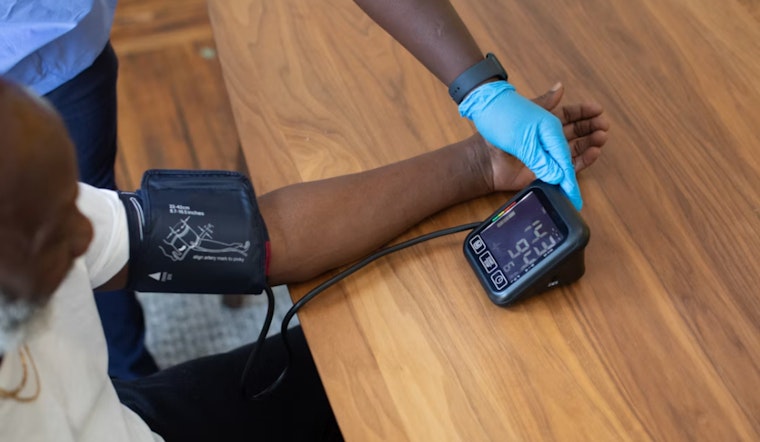
Boston is putting serious money behind a problem the city can literally measure in years of life. After a new analysis showed Black residents are dying much earlier than their neighbors, officials have rolled out fresh funding, new partnerships and a slate of public summits aimed at closing the gap. The effort zeroes in on neighborhoods like Dorchester, Mattapan and Roxbury, where the disparities are steepest.
What the report found
The city's "Closing the Gap" report found that the life expectancy difference between Black Bostonians and other residents grew from 3.3 years in 2013 to 6.6 years, and that Black men now average about 71.8 years. In response, officials announced a $1 million allocation from the Boston Public Health Commission's operating budget for organizations serving Black men, along with a new $1 million partnership focused on cancer screening and prevention. These findings and commitments were outlined in the city's release, according to Boston.gov.
Where the money is going
Some of the new work builds on a multi‑sector Live Long and Well agenda that has already steered seven‑figure support to community coalitions. The Atrius Health Equity Foundation committed $10 million in 2024 to back community‑led efforts to improve economic mobility and cardiometabolic health in Dorchester, Mattapan and Roxbury, and the city used a portion of that funding to award $5 million in neighborhood grants. That background is detailed by the Atrius foundation and has been covered in local reporting and on television, per Atrius Health Equity Foundation, WCVB's CityLine, and earlier earlier coverage.
Cancer screening and prevention
City officials have singled out preventable cancers as a major driver of early deaths for Black residents and say screening and outreach will be a central strategy. Dana‑Farber has pledged $1 million for community‑based prevention, screening and navigation tied to the Live Long and Well agenda, with a goal of expanding access in communities where screening rates and outcomes lag. For more on Dana‑Farber’s community investments and partnerships, see Dana‑Farber Cancer Institute.
Summits to set priorities
This week, officials and advocates will try to turn the report’s recommendations into specific spending plans at a cluster of public convenings. The Health Equity Trends Summit is returning to the UMass Boston Campus Center to spotlight system‑level reforms, and the city's Black Men’s Health Activation Summit on June 3 will bring together advocates and providers to recommend priorities for the Boston Public Health Commission investment. Event listings and the city release lay out the calendar and goals, per the Health Equity Compact.
Why it matters
Public health leaders and community groups describe the package as a necessary first step toward undoing decades of disinvestment that now shows up in the form of shorter lives in certain neighborhoods. Advocates caution that a few big checks will not fix the problem on their own. They argue that real progress will require steady funding over time and strategies led by the communities most affected. Local coverage and commentary underscore that urgency, as noted by Bay State Banner.





