

























































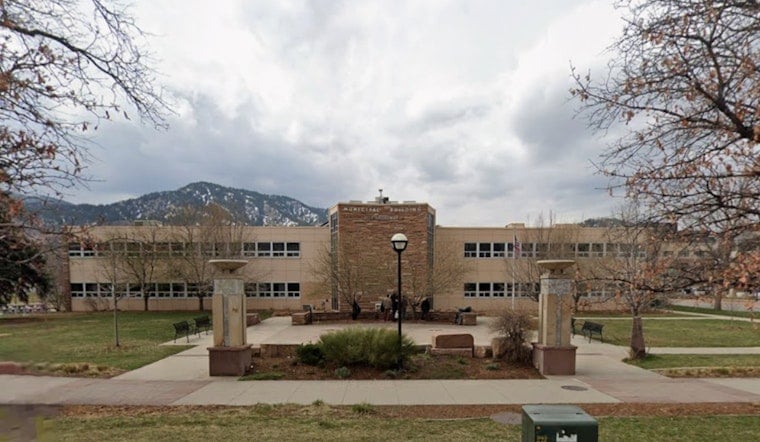
Boulder is asking the Colorado Supreme Court to step into a high-stakes fight over whether the city can charge the public for police body-camera footage, after a local magazine was hit with a bill topping $8,000 for video from a December 2023 officer-involved shooting. On June 18, the city petitioned the state’s high court to review an April appeals court ruling that said Boulder cannot collect those fees when footage is requested under Colorado’s police-accountability law.
According to the Daily Camera, Boulder’s June 18 petition asks the Colorado Supreme Court to either overturn the April 9 Court of Appeals decision or wipe it out in light of the court’s recent ruling in People v. Bell. City lawyers argue that the Criminal Justice Records Act lets agencies charge reasonable fees, and say that complying with the 2020 integrity law’s blurring and redaction rules can require staff to spend hours combing through lengthy recordings even when the requester only cares about a few key minutes.
What the appeals court found
On April 9 the Colorado Court of Appeals held that the Enhance Law Enforcement Integrity Act’s basic command to release recordings tied to misconduct complaints is not contingent on payment, as detailed in the court’s written opinion on Justia. Boulder now wants the Colorado Supreme Court to revisit that reading in light of the high court’s May 4 decision in People v. Bell, which explained the Criminal Justice Records Act’s fee authority for search, retrieval, and redaction while carving discovery materials out of that scheme, according to case documents on Justia.
How the dispute began
The fight traces back to a request from Yellow Scene Magazine for body-camera and dash-camera footage from the Dec. 17, 2023, encounter that ended with the death of Jeannette Alatorre. Boulder responded with an invoice that climbed past $8,000, according to reporting by the Boulder Reporting Lab. In its petition, the city describes the review work as labor-intensive, estimating roughly three hours of staff time for every hour of video, and warns that the statute’s blurring requirements can force agencies to process or release long stretches of footage even when only short segments capture the decisive moments, the Daily Camera reported.
Why it matters for transparency and budgets
Open-records advocates say the appeals court ruling is a crucial guardrail for transparency, since steep fees can effectively price the public out of access to video from serious use-of-force incidents. On the other side, city officials warn that unfunded redaction and review requirements land squarely on already stretched staff. The Enhance Law Enforcement Integrity Act instructs agencies to blur or redact footage that raises “substantial privacy concerns,” and watchdogs have cautioned that without clear rules about fees or added funding, some jurisdictions may struggle to meet the law’s deadlines, as highlighted by the Colorado Freedom of Information Coalition.
Legal implications
If the Colorado Supreme Court agrees to hear Boulder’s petition, it will need to sort out how two overlapping laws fit together in practice: the Integrity Act’s requirement for prompt release of certain recordings and the Criminal Justice Records Act’s fee provisions as described in People v. Bell. A ruling in Boulder’s favor could clear the way for agencies to routinely bill for the search, retrieval, and redaction work tied to public requests. Leaving the April decision in place would keep tighter limits on when agencies can insist on payment before turning over footage. Either outcome will shape how journalists, families of people caught up in police encounters, and cash-strapped local governments navigate access to critical video records.
What’s next
The state Supreme Court will first decide whether to take the case. If it declines, the Court of Appeals ruling remains the law. If it grants review, the dispute will move into a written-briefing schedule and oral arguments that could stretch over months. Boulder has already asked for additional time around its petition filing, a sign the city is gearing up for a detailed legal campaign, as covered by the Boulder Reporting Lab.





