

























































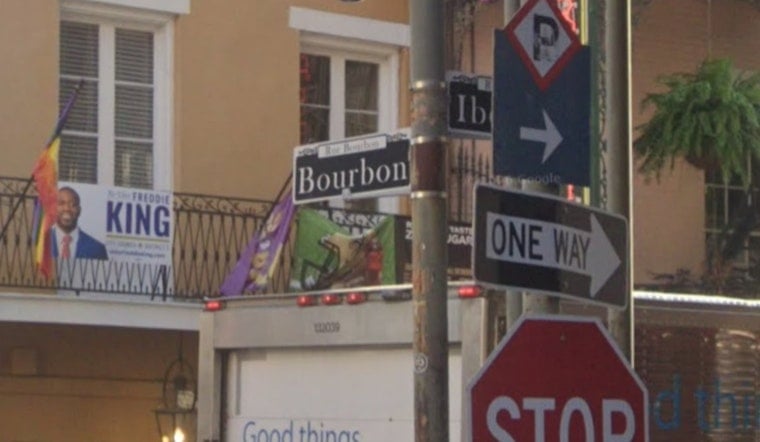
On a crowded Bourbon Street, Diane Amos moves through the throng with a fistful of roses, pressing single stems into the hands of women she believes are vulnerable to exploitation and quietly telling them, "These are my girls." For more than a decade, Amos has led Free NOLA, a faith-based outreach group that uses flowers and low-key conversation to reach people in the same places where trafficking often unfolds. On New Year’s Day, she says those relationships helped set up a law enforcement rescue of a 16-year-old who was later reunited with her mother in Dallas.
As reported by NOLA, Amos coordinated with police on January 1, 2026 to free the teenager, then assisted authorities as they tracked and arrested a suspect connected to the case. NOLA notes that the girl received medical care and follow-up support before she was reunited with family out of state. Amos told the outlet she leans on roses because a small, disarming gesture can be enough to start a conversation that leads to help.
Outreach tactics and background
Free NOLA traces its start to the Super Bowl in New Orleans in 2013 and now runs a slate of outreach programs, from motel checks to the "Angel Shot" initiative and FAST hospitality training, all aimed at spotting and connecting with potential victims on the ground. The organization’s site describes regular outreaches during major events and a volunteer network that distributes resources and trains hospitality workers to recognize signs of trafficking. Volunteers also help with short-term shelter efforts and work alongside partner agencies to connect survivors to medical and legal services. Details on programs and volunteer opportunities are available on Free NOLA's website.
State data shows rising demand
Louisiana’s annual trafficking numbers show why that street-level work is in such demand. State figures indicate that 2,328 people received services in 2024, an increase of roughly 34 percent from 2023. By 2025, the total had climbed to 2,963, a jump that reflects both better identification and a growing need for support. The Office of Human Trafficking Prevention report highlights a large share of youth among those served and notes that sex trafficking remains the dominant category, which shapes how providers prioritize shelter, medical care and advocacy. The trend also reinforces why outreach in high-traffic, transient locations such as motels and the French Quarter continues to be a crucial entry point for help.
Small gestures, big effects
Amos told NOLA that "a rose symbolizes love," and said volunteers want women to know they are "loved, cherished and valued." According to the paper, Free NOLA volunteers handed out thousands of bars of soap printed with hotline information, along with informational packets, during 2025 outreach campaigns so that victims would have discreet and concrete ways to reach help. For Amos and her crew, those everyday items are conversation starters that can, and in at least one case did, lead directly to rescue and medical care.
How to help or report
If you suspect someone is being trafficked, state and national hotlines can connect you with victim services and law enforcement. In Louisiana, the Office of Human Trafficking Prevention directs people to the National Human Trafficking Hotline at 1-888-373-7888 or by texting 233733, and lists local reporting options along with vetted service providers, including Free NOLA. The Human Trafficking Prevention Resource Center of Louisiana and the National Human Trafficking Hotline are both available 24/7 for tips and referrals. Volunteers and donors who want to support the kind of street-level outreach Amos leads can find sign-up forms and event listings at Free NOLA.





