

























































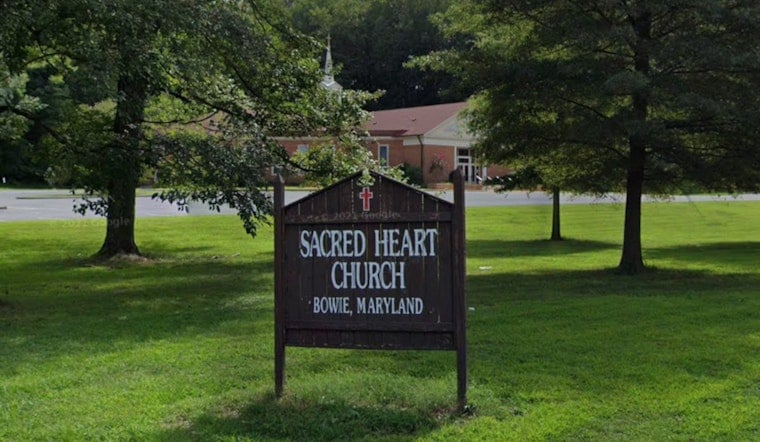
On a quiet hillside behind Sacred Heart Catholic Church in Bowie, the ground is telling stories that were never meant to be forgotten. Hundreds of unmarked graves, believed to hold the remains of people enslaved on the former White Marsh plantation, were the solemn centerpiece of Friday's Juneteenth Family Day. Descendants, parishioners and neighbors gathered to unveil new historical storyboards, dig into genealogy workshops and push for a permanent memorial to those buried without markers. The event highlighted a years-long effort to document the burials, pull names from fragile archival records and reconnect living families with ancestors who were long hidden in plain sight.
Juneteenth program and unveiling
The Juneteenth Family Day lineup mixed celebration with hard history. The program featured the unveiling of newly installed historical storyboards, children's activities, genealogy workshops and live performances inside the Hogan Center, according to WTOP. Organizers said the day was designed not only to honor emancipation, but also to spotlight the painstaking work that researchers and volunteers are doing to locate and map the burial ground spread across the church hillside.
Archaeology rewrites the grounds
Archaeological surveys that started in 2022, including ground-penetrating radar on the slope behind the parish cemetery, identified nearly 200 subsurface anomalies that look like possible graves. Catholic University archaeologist Laura Masur has estimated that continued fieldwork could point to as many as 500 burials, many believed to be those of people who were enslaved on the property, WBAL-TV reported. The parish's cemetery restoration project notes that the effort began when volunteers spotted a handful of markers at the edge of the known burial area and then widened the search into a full-scale documentation and preservation push, along with erosion-mitigation planning across roughly eight acres of hillside, according to the Sacred Heart cemetery page.
Who’s leading the research
The White Marsh Historical Society, an independent nonprofit created to research, preserve and memorialize the African American burial grounds at the former White Marsh plantation, has launched a multi-year effort to learn who is buried there and to reconnect those names with living descendants, according to the White Marsh Historical Society. Volunteers, descendants and archaeologists are teaming up on mapping, genealogy and public education as the group shapes plans for future memorial design and interpretation.
“We have to make sure that we do not forget about our ancestors … that we bring their stories out of the darkness into the light,” founding society member Robin Proudie told attendees. Society president Kevin Porter said researchers are still digging through records to reconstruct family histories, according to WTOP. Their message framed the Juneteenth gathering as part remembrance, part open call to keep the preservation work going for the long haul.
Historical context
The Sacred Heart property once formed part of the Jesuit-run White Marsh plantation, where enslaved labor generated the money and resources that sustained Jesuit institutions through the 18th and 19th centuries. One of the most scrutinized chapters in that history is the 1838 sale of about 272 people by Maryland Jesuits to buyers in Louisiana, a transaction that continues to shape modern debates over memory and responsibility. Georgetown University and a landmark investigation in The New York Times have traced that sale and documented its impact on descendants and on the institutions that benefited from it.
What comes next
Researchers say the next phase will be slow, detailed work, not a quick summer project. The plan is to comb through church and government records, analyze burial data, fold in DNA matches and build a searchable database that descendants can use, WBAL-TV reported. At the same time, parish volunteers continue clearing brush, mapping the anomalies flagged by radar and planning conservation measures through the Sacred Heart cemetery restoration project, according to the Sacred Heart restoration page. Partners say the goal is to restore dignity to those buried on the hillside and to create a place where the community can confront the full story of the site.
Descendants and organizers said the Juneteenth gathering drove home what they view as a straightforward, if long delayed, responsibility. The task is to name the dead, protect their graves and make sure their stories are carried forward, according to the White Marsh Historical Society. Community leaders acknowledge that the work that began in 2022 will likely stretch over years, but they cast Friday's event as a public unveiling of those plans and an open invitation for more descendants and neighbors to join the research effort.





