

























































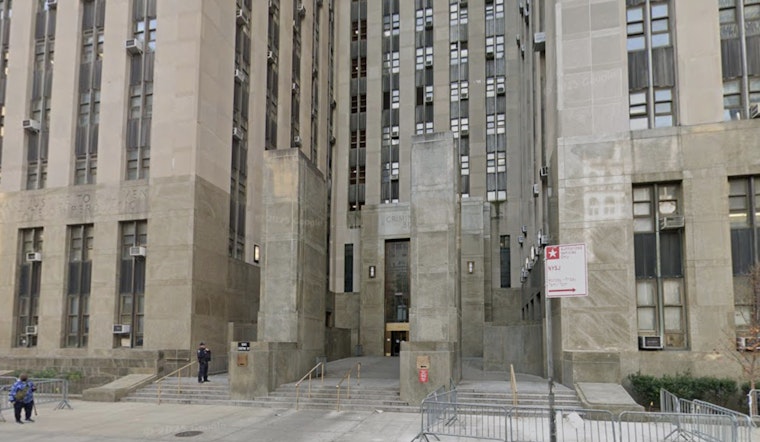
Manhattan District Attorney Alvin Bragg says his office will now treat every "shots fired" call in select high-violence neighborhoods like a homicide investigation, even when no one is hit. The shift, rolled out Wednesday in a brief post and video on X, is meant to get detectives and prosecutors on scene faster so evidence does not slip away and follow-up work gets the same urgency usually reserved for murder cases.
“Every time a shot is fired in one of our hot zone areas, we staff it like a homicide, even if no one is struck because we realize sometimes that’s just a matter of happenstance.” – D.A. Bragg. Watch here to learn more about our strategies to drive down gun violence. pic.twitter.com/y7EuBDbD9D
— Alvin Bragg (@ManhattanDA) June 24, 2026
What Bragg Announced
In his post on X, Bragg wrote, "Every time a shot is fired in one of our hot zone areas, we staff it like a homicide." In plain English, that means a shots-fired report in those neighborhoods will trigger top-level investigative muscle: quick canvassing, aggressive evidence collection and early case-building aimed at spotting patterns in trafficking or group activity, not just closing out a single incident.
How Prosecutors Say They'll Work The Cases
Bragg's office says the policy pairs prosecutorial firepower with targeted enforcement and prevention programs. Internal materials from the Manhattan D.A.'s office describe a playbook built on rapid scene canvasses, fast-turnaround ballistics work and efforts to link shell casings and other evidence to broader networks. In a recent overview, the Manhattan D.A. also highlighted ghost-gun crackdowns and community grants as part of a multi-pronged strategy to push shootings down.
Tools, Limits And Controversy
The toolkit behind this strategy includes some of the most debated technology in modern policing, from acoustic gunshot detection to regional ballistic databases. A 2024 audit by the New York City Comptroller questioned the accuracy and cost of ShotSpotter and called for tighter oversight. By contrast, NYPD policy documents lay out how ShotSpotter alerts are routed, verified and folded into investigations.
On the back end, prosecutors lean on systems such as the National Integrated Ballistic Information Network and federal tracing to turn stray casings and recovered guns into workable leads. According to the ATF, NIBIN is designed to link shootings across time and geography, a feature Bragg's team hopes will help connect those hot-zone calls to larger trafficking cases.
Bragg's National Role And Local Results
Bragg has been trying to export parts of this approach beyond Manhattan. Last year he was named co-chair of Prosecutors Against Gun Violence, a national coalition that focuses on tracking illegal guns and sharing investigative tactics. His office argues that evidence-driven investigations, paired with prevention spending, have helped cut shootings in Manhattan and generated leads that can be shared with agencies in other jurisdictions.
Where This Will Be Used
City officials point to steep year-over-year drops in shootings and more than 25,000 illegal firearms taken off city streets since 2022 as proof that targeted enforcement combined with community investment can pay off. The Mayor's Office credits a mix of precision deployments and violence interrupter programs for much of the decline, while prosecutors say faster, more intensive follow-up on shots-fired calls helps turn what might look like one-off incidents into broader cases that can support indictments.
Legal And Policy Note
Legal experts caution that treating every shots-fired report like a homicide is an investigative stance, not a guarantee that anyone will be charged. Prosecutors still have to clear the usual evidentiary hurdles before they can file a case. Earlier changes to Bragg's charging policies drew heavy scrutiny and prompted clarifications, a reminder that how a D.A. chooses to use that discretion shapes which cases move forward and which are declined or steered into diversion.
For now, the on-the-ground reality is that detectives, prosecutors and crime-lab staff are expected to move faster whenever gunfire is reported in designated hot zones. Bragg argues that this will translate into more leads and, ultimately, safer streets. Whether that plays out in arrests or prosecutions will depend on what investigators actually recover at those scenes and whether the evidence meets charging standards.





