

























































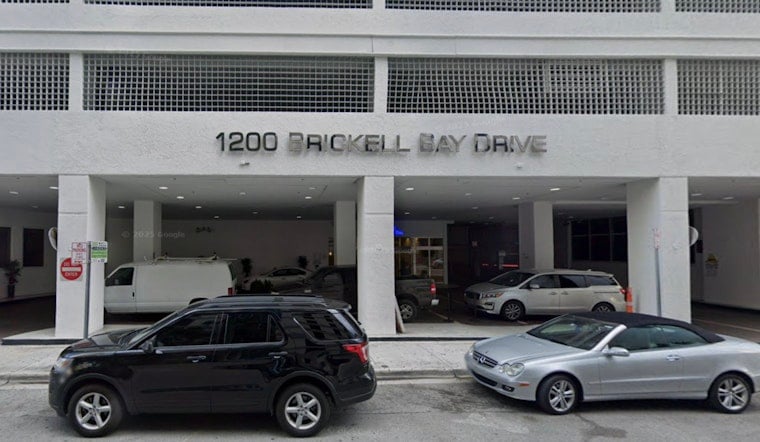
Voter-fraud accusations have exploded inside The Club at Brickell Bay, one of Brickell’s biggest condo towers, where some owners say dozens of association ballots look like forgeries. What started as a routine board election has turned into a bare-knuckled fight over short-term rentals, ballot security and who really calls the shots in the 643-unit building. Incumbent association president Karl de Borbon, who has led the board since 2018, is seeking a ninth straight term while challengers demand a forensic review of the vote.
As reported by the Miami Herald, six homeowners told the paper they received copies of ballots that do not match their signatures, and screenshots reportedly show dozens of ballots filled out in similar handwriting. One owner, Mirna Handal, wrote to management that “Forgery of signatures and falsification of election documents may constitute criminal conduct under Florida law,” while the owners’ attorney, Javier Zayas-Bazan, warned that the June 22 board election and a May 18 limited proxy vote “will be the subject of intensive investigative and legal scrutiny.” According to the Herald, the state agency has confirmed it is sending an election monitor to observe Monday’s count.
How State Monitors Are Appointed
Under Florida rules, condominium owners can petition the Division of Florida Condominiums to send an election monitor. To trigger that oversight, the petition must be signed by at least 15% of the total voting interests or six unit owners, whichever number is higher. Once assigned, a Division monitor can run the election, and the association is billed for the monitor’s time and expenses. Election materials must then be kept as part of the association’s official records for a specified period. Details on the petition process and a monitor’s role are outlined by the Florida Department of Business and Professional Regulation.
High Turnout, Short-Term Rentals And A Controversial Pool Vote
Longtime owners told the Miami Herald that turnout in a June 8 vote suddenly spiked to 489 ballots, compared with the roughly 100 homeowners who usually take part. That surge has fueled suspicion around a pool-deck waterproofing proposal that needed approval from 75% of the building to pass. Residents photographed stacks of ballots printed with the same odd wording, including a line reading “the club at BRiCKELL” that was reportedly missing the word “Bay,” which they argue looks more like a pattern than a series of one-off mistakes. The building’s official records list Karl de Borbon as president, and he has told supporters he has kept fees low and built up reserves while rejecting any claims of ballot tampering. His critics counter that the tower’s large share of short-term rental owners leaves the association especially open to manipulation.
Past Scandals Feed Mistrust
Owners’ nerves were already frayed by a previous scandal. Last year, a former property manager was arrested and charged in an alleged “ghost-employee” scheme that prosecutors say siphoned six figures from association funds, deepening concerns about weak financial oversight. That backdrop helps explain why a group of residents pushed for state intervention and an independent monitor before Monday’s tally. Local coverage of the arrest and related court filings is summarized in reporting on the ghost-employee scheme.
What Happens Next
The Division is scheduled to watch the vote count on Monday, and its monitor can recommend follow-up steps if any irregularities are flagged. Owners who argue their ballots were forged have already signaled that they will pursue administrative remedies and, if they believe the evidence warrants it, criminal referrals to prosecutors. Depending on what the monitor documents, the contested association votes could be thrown out and both civil and criminal proceedings could follow.
Legal Implications
Allegations of forged ballots carry potential criminal exposure under Florida law and also give owners a civil path to challenge suspect elections. The state’s Condominium Act and Division rules spell out recordkeeping requirements, election procedures and available remedies. The statutory framework that governs condo elections and owner rights is set out in Chapter 718 of the Florida Condominium Act and related Division rules on the state legislature’s website.





