

























































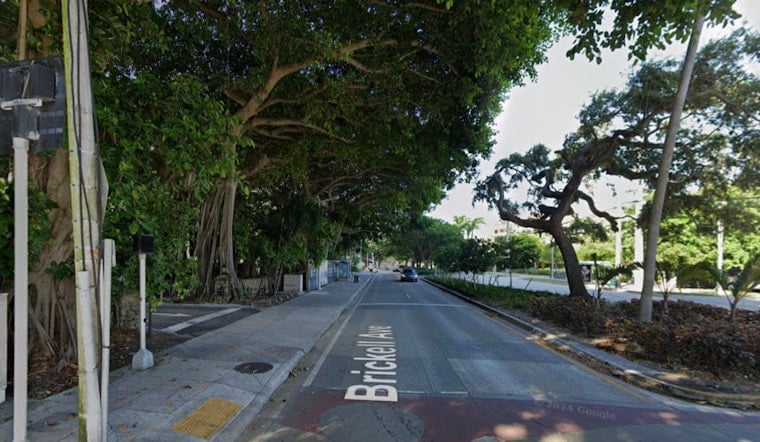
As Brickell’s next wave of luxury towers climbs higher, construction crews keep hitting an unsettling layer of history: Indigenous burials. From scattered bone fragments to intact burial features, recent digs have triggered work stoppages and fresh fights over who gets to decide the fate of people who lived in the area thousands of years ago. In effect, Miami is replaying older battles over preservation, memory and money in the city’s urban core.
Public records and archaeological reports show that a property at 1809 Brickell Ave contains an Indigenous burial and settlement site that dates back roughly 3,500 years, according to the Miami Herald. The city released a fuller archaeological report only after it was publicly challenged, and experts say the finds range from tools to human remains that demand careful treatment. Municipal rules and consultants frequently require archaeological surveys before high‑rises go up, but those precautions do not always prevent surprises once the heavy machinery starts digging.
“The preferred option is to leave remains untouched and in place,” veteran archaeologist Bob Carr told the Miami Herald, a stance many preservation advocates support but one that often collides with tower plans. Tina Osceola, historic preservation officer for the Seminole Tribe, put it more bluntly in the same report: “they were not buried to be excavated.” Together, their comments lay out the tightrope state and local officials walk between property rights, archaeological study and tribal sovereignty.
Tribal push for repatriation
Florida tribes have launched a campaign called “No More Stolen Ancestors” to pressure museums and institutions to return human remains and funerary items removed from the Southeast, according to the Seminole Tribune. Tribal leaders say repatriation is about basic dignity and cultural survival, and they have been urging federal agencies and museum collections to speed up transfers so remains can be reburied respectfully. The effort has helped raise public awareness even as quiet, case‑by‑case consultations continue whenever bones turn up in Miami construction zones.
Legal framework
At the federal level, the Native American Graves Protection and Repatriation Act (NAGPRA) sets out formal steps for inventorying collections, consulting tribes and returning remains and cultural items, and it has been in effect since 1990, according to the National Park Service. NAGPRA mainly covers museums and federal agencies, but its procedures influence how tribes and state officials approach newly discovered burials. The law also includes enforcement tools and grant funding that help support the day‑to‑day work of repatriation.
State role and site protection
In Florida, the Department of State’s Historic Cemeteries Program and the Division of Historical Resources work with tribal representatives to document and protect burial sites through the Florida Master Site File, according to the Florida Department of State. The Florida Public Archaeology Network also trains local stewards and helps record vulnerable locations so they are less likely to be unknowingly damaged during construction, per the Florida Public Archaeology Network. Officials say these records and protocols are designed to discourage looting while preserving options for tribes and researchers.
On-the-ground outcomes
When crews uncover human remains, they halt work and agencies begin formal repatriation procedures, from detailed inventories to consultation and, when appropriate, reburial, a process the National Park Service notes can stretch over months or even years. Reburial can mean leaving remains where they are, relocating them elsewhere on the same property or reinterring them as close as possible to their original resting place. The final decision is typically negotiated among tribal representatives and state officials. That drawn‑out process often adds months to construction schedules and extra expenses for both developers and local governments.
Local politics and preservation fights
The discoveries have revived long‑running arguments over whether Miami should lean harder into new housing and economic development or put more emphasis on preserving and interpreting its deep Indigenous history. Some preservationists and archaeologists accuse developers of playing down the significance of finds, while activists press for public hearings and on‑site displays. That clash has surfaced before in earlier Brickell preservation fights, as detailed by the Miami New Times. For now, the city’s approach is uneven: a patchwork of protected pockets, confidential reburials and ongoing negotiations that leave many residents unsure what, exactly, lies beneath the glass and steel skyline.
As downtown Miami keeps reaching upward, the bones below serve as a reminder that another claim on the city’s future is still on the table: whether to keep building at full speed or lean into stewardship of an ancient, living landscape. Tribal leaders, archaeologists and city officials all suggest that the real conversation over how to treat those remains is only just getting underway.





