

























































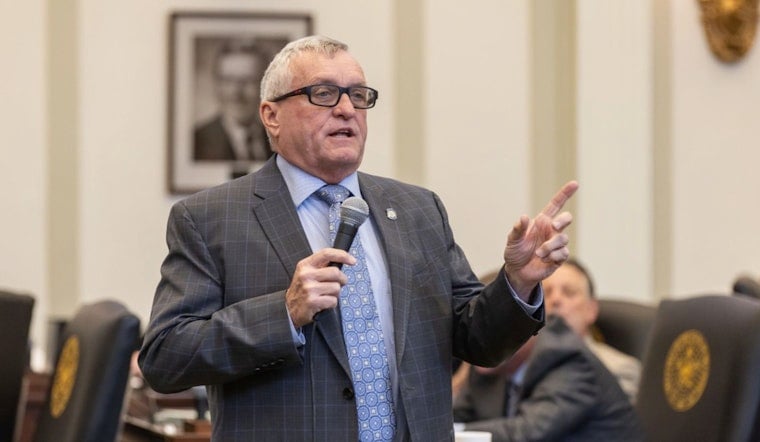
Rep. Ross Ford, a Republican from Broken Arrow and 25-year veteran police officer, says he is ready to push a statewide Victims of Sexual Assault Bill of Rights that he argues will bolster survivors' autonomy and tighten the way forensic evidence is handled. Unveiled June 1, the proposal would increase oversight of state-funded advocacy groups, change how sexual-assault evidence kits are managed and add new privacy protections for materials collected by sexual assault nurse examiners, or SANEs. Ford has cast the effort as a response to what he describes as a surge of child sexual-assault cases in Tulsa County.
What's in the proposal
In a press release from the Oklahoma House of Representatives, Ford said the measure is designed to mirror the Oklahoma Victim's Rights Act and "ensure victims retain complete autonomy over their care, treatment, advocacy services and participation in the investigative process." The draft would require any private advocacy organization that receives state tax dollars to provide services to any certified sexual assault nurse examiner, regardless of where that nurse works. It would also direct the investigating law-enforcement agency to take custody of the sexual assault evidence kit and preserve all related evidence under standard evidentiary rules.
The release further notes that evidence collected by SANEs would be confidential and not subject to the Oklahoma Open Records Act. It also points out that lawmakers can begin filing bills on Nov. 15 for the legislative session that starts Feb. 1, 2027, which is when Ford plans to formally introduce the measure.
Ford's earlier work
Ford has been down this road before. According to the Oklahoma Legislature, House Bill 2705, which he authored in 2025, would have required law enforcement to notify sexual-assault victims whether a DNA profile was developed, entered into CODIS or matched an existing profile, language that appears in the bill text. That engrossed bill was one in a series of measures he has sponsored to give survivors more information about evidence handling and investigative timelines. It helps explain why his new package groups privacy rules, oversight provisions and evidence-custody procedures together rather than tackling them one by one.
How kits are tracked now
Oklahoma already runs a statewide sexual-assault kit tracking system overseen by the OSBI, which says survivors can anonymously follow a kit from the initial exam through lab analysis and final storage. The agency’s information notes that laws passed in 2019 and updated in 2023 require standardized evidence kits and set timelines for sending them to crime labs. Advocates say those steps have made the process more transparent but have not settled which entities can receive public money to provide services.
Ford’s new proposal would fold the existing tracking and custody rules into a broader rights framework. It would also create certification requirements for SANEs through the attorney general’s office and the OSBI, tightening the state’s control over who is authorized to conduct these exams.
Oversight and legal questions
Explicitly exempting SANE-collected evidence from the Oklahoma Open Records Act could spark legal debate about how that change fits with current confidentiality rules and prosecutors’ access to records. Oklahoma law already shields many victim-program and investigatory records from public disclosure, protections reflected in state codes governing victim-service confidentiality and criminal investigations, as compiled on Justia.
Recent scrutiny of a nonprofit that lost federal funds after an audit has also intensified questions about oversight of organizations that receive taxpayer money. That episode has become part of the backdrop Ford referenced in his push for clearer rules, as reported by KGOU.
What's next
Ford says he plans to file the bill when the filing window opens Nov. 15. The First Session of the 61st Oklahoma Legislature convenes on Feb. 1, 2027. If the measure is filed, it will be assigned to committee, where prosecutors, medical professionals and advocacy groups are expected to weigh in as lawmakers negotiate the final language.



