

























































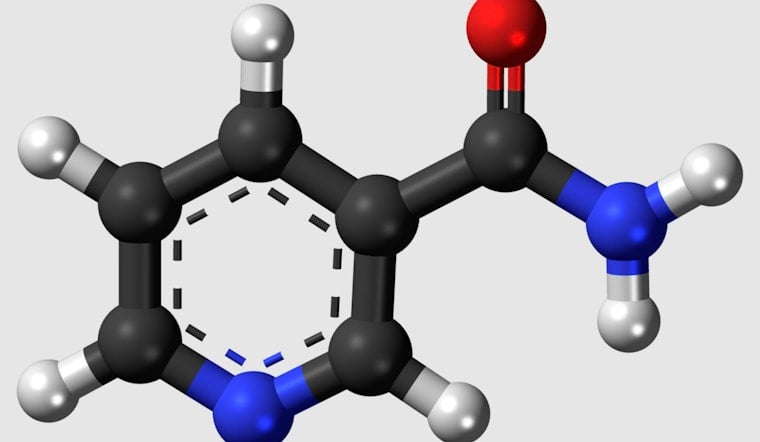
For Brooklyn residents who have already gone a round with skin cancer, local doctors are eyeing an unexpectedly simple ally in the fight to keep it from coming back: vitamin B3, specifically nicotinamide. Hackensack University Medical Center physician Dr. Andrew Pecora told News12 Brooklyn that research points to roughly a 30% drop in squamous-cell cancer recurrences, about 20% for basal-cell cancers and a similar reduction in precancerous lesions when patients take the supplement as studied.
What the Studies Show
The growing interest in nicotinamide is rooted in clinical trials and large health-record reviews that evaluated a dose of 500 milligrams twice a day. A phase 3 randomized trial known as ONTRAC reported about a 23% lower rate of new nonmelanoma skin cancers after 12 months of treatment, according to the New England Journal of Medicine.
A larger retrospective analysis of Veterans Affairs records later looked at 33,822 patients and found an associated 14% reduction in new nonmelanoma skin cancers overall, and roughly a 54% reduction when nicotinamide was started after a first skin cancer diagnosis. That real-world prescribing and outcomes study appears in JAMA Dermatology and also reported the strongest effect for squamous-cell carcinoma.
How Doctors Are Recommending It
Brooklyn oncologists and dermatologists describe nicotinamide as something to add to the usual skin-cancer playbook, not a replacement for sunscreen or regular dermatology visits. As reported by News12 Brooklyn, physicians say the evidence supports a dose of 500 milligrams twice daily. They also caution that higher doses have not been shown to provide extra benefit.
Safety and Who Should Check First
Nicotinamide is chemically different from niacin, so it typically does not cause the classic flushing that many people associate with that vitamin. It is not completely benign, though. Studies and institutional guidance list possible side effects such as nausea, liver issues and low platelets, and note that supplements can interact with some prescription medications.
Memorial Sloan Kettering Cancer Center advises patients to tell their providers about any supplements they are taking and to consult a physician before starting nicotinamide, particularly anyone with liver disease, bleeding problems or complex medication regimens.
Costs and the Bigger Public Health Picture
On the policy side, the question of whether nicotinamide is worth recommending has gotten a boost from an economic analysis published June 10, 2026. Investigators used Veterans Health Administration data to model outcomes and concluded that oral nicotinamide appears cost-effective for preventing keratinocyte carcinomas, estimating hundreds of cancers prevented along with net savings under VHA pricing. That evaluation is detailed in JAMA Dermatology.
For Brooklyn patients with a history of skin cancer, nicotinamide now looks like a reasonable, low-cost option to bring up with a dermatologist or oncologist, alongside sunscreen, hats and regular skin checks. Doctors continue to stress that supplements are not a stand-in for sun protection, and they say decisions about starting nicotinamide should be individualized with medical guidance.





