

























































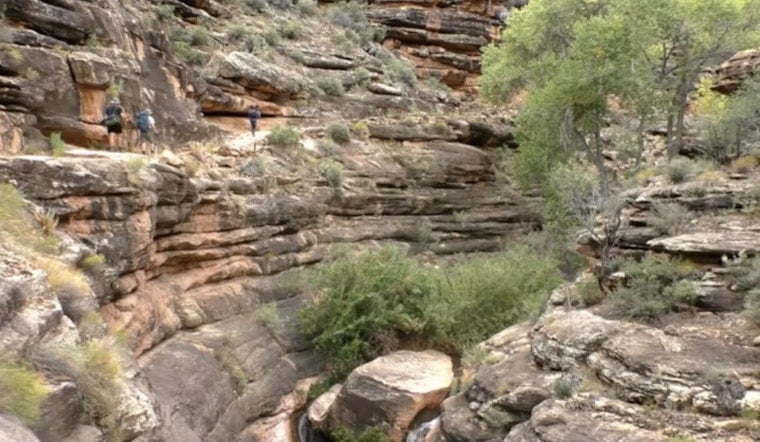
An 18-year-old man collapsed and died Wednesday after a suspected heat-related illness while hiking the Bright Angel Trail inside Grand Canyon National Park, a stark reminder of how unforgiving the inner canyon can be when temperatures spike. Rangers found him in a steep, remote section below Havasupai Gardens and launched an air-and-ground rescue, but he did not survive. The death comes during a stretch of unusually high inner-canyon heat this week.
First responders were called just before 2 p.m., and service rangers ultimately located the hiker about 30 feet below the trail near Garden Creek, according to Arizona's Family. Park medics and a coordinated helicopter operation were sent in, yet officials said that by the time rescuers reached him he was pronounced dead. Authorities have not released his name while they work to notify relatives.
How the Rescue Unfolded
The man had been attempting a rim-to-river day hike on the Bright Angel Trail, starting from the South Rim and heading to the Colorado River with plans to return the same day, FOX5 Las Vegas reported. That outlet noted inner-canyon highs above 100 degrees this week and described the area below Havasupai Gardens as both steep and remote, conditions that can slow rescuers and complicate helicopter access. Park personnel said they coordinated with local partners as they tried to reach the hiker.
Heat and Warnings
The National Weather Service in Flagstaff had recently issued a Red Flag Warning for parts of Grand Canyon Country, alerting the public to dry and windy weather that can intensify both heat and fire danger, according to the National Weather Service Flagstaff. The National Park Service notes that inner-canyon daytime temperatures commonly climb above 110°F in summer, and its guidance strongly discourages rim-to-river day hikes along with hiking between 10 a.m. and 4 p.m. It also cautions that rescue operations may be delayed when conditions are extreme and resources are stretched.
Context: Deadly Patterns in the Canyon
Heat-related illness is a recurring threat in Grand Canyon National Park, particularly during peak season when visitors push for big mileage in brutal conditions. Recent reporting has found the park averages roughly 15 visitor deaths per year, with heat repeatedly involved in incidents during the hottest months. Some fatalities have appeared to occur in "clusters" during extreme heat spells, illustrating how fast an inner-canyon hike can turn from challenging to life-threatening, according to Outside.
What Hikers Should Know
The National Park Service urges anyone heading below the rim to prepare for intense exposure and limited help. Its Hike Smart guidance recommends carrying plenty of water and electrolytes, packing salty snacks, starting very early or waiting until later in the day, and avoiding hiking during the hottest midday hours. Signs of heatstroke can include confusion, fainting, changes in mental status, and hot, dry skin. Anyone showing those symptoms needs immediate cooling and urgent medical attention. Hikers are also warned to expect poor cell service and to understand that self-rescue may be necessary if weather or staffing delays outside help.
Park officials said they were in the process of notifying the hiker's family and did not release additional details. Visitors planning trips into the canyon are encouraged to check the National Park Service's Grand Canyon pages for current trail conditions, water status, and backcountry advisories, or to contact park information services before heading down the trail.





