

























































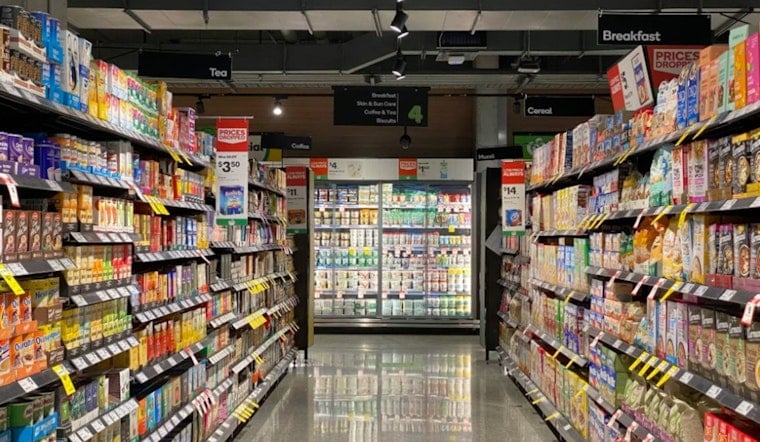
California is about to clean up the confusing cluster of dates on your groceries. Starting next Wednesday, July 1, the state will phase out consumer-facing "sell-by" dates on packaged foods and replace the patchwork of phrasing with just two standard terms. Lawmakers and environmental groups say the switch is meant to keep shoppers from tossing food that is still perfectly edible and to cut methane produced in landfills. Grocery chains, manufacturers and food-rescue groups now have only a few weeks to finish label audits and update packaging before the rules kick in.
What AB 660 requires
Assembly Bill 660 tells any manufacturer, processor or retailer that chooses to put a date on a product made on or after July 1 to choose from two options: "BEST if Used by" (or "BEST if Used or Frozen by") to describe peak quality, and "USE by" (or "USE by or Freeze by") when the date is about safety. The measure also bans consumer-facing "sell by" wording on packaging while still allowing coded sell-by marks for inventory control, according to California Legislative Information. State agencies are also directed to run public education explaining the new date terms, the California Department of Food and Agriculture notes.
Why supporters say it matters
Backers say the two-phrase system should cut down on edible food getting dumped early, free up more surplus for donation and trim household grocery bills. The NRDC has described AB 660 as a first-of-its-kind step to curb landfill methane and save consumers money, according to NRDC. Separate national coverage has noted that the law turns years of voluntary guidance on date labels into mandatory policy across California, The Associated Press has reported.
Exemptions and store rules
The law carves out specific exemptions for infant formula, eggs and pasteurized in-shell eggs, as well as beer and other malt beverages, and it allows wine and distilled-spirit products to list production or bottling dates, per California Legislative Information. Grocery stores may also rely on a "packed on" label for prepared foods as long as the item also displays either a quality or safety date, and the bill makes clear that retailers can still sell or donate food after a quality date has passed.
How stores and makers will adjust
Manufacturers and retailers are being urged to review their SKUs, update label artwork and reprogram coding equipment so that any item produced on or after the deadline carries the new wording. Industry advisers say the behind-the-scenes work, from reprinting packaging to sequencing old and new inventory and retraining staff, typically takes longer than it looks from the aisle. Compliance guides from trade consultants lay out step-by-step checklists to get companies through the transition, according to SystemPath.
Legal enforcement and penalties
Local public-health agencies will be responsible for enforcing the updated Retail Food Code provisions, and bill analyses note that violating the California Retail Food Code is generally treated as a misdemeanor, though actual enforcement practices and specific penalties can vary by jurisdiction. Legal analysts warn that beyond regulatory fines, mislabeled product may trigger retailer chargebacks and even consumer-protection lawsuits, according to Reed Smith. Coverage from FOX 11 Los Angeles has also underscored that companies out of step with the law could face a mix of regulatory and marketplace consequences.
How shoppers should read the new dates
Under the new setup, "BEST if Used by" is meant to flag peak flavor and texture, while "USE by" is the safety date consumers should treat as the cutoff for products such as milk or ready-to-eat deli meats, according to the California Department of Food and Agriculture. During the rollout, if you spot conflicting stamps on the same item, officials say to prioritize any "use by" safety date or check state guidance, and national reporting from The Associated Press stresses that understanding the new terms can help shoppers avoid tossing food unnecessarily.



