

























































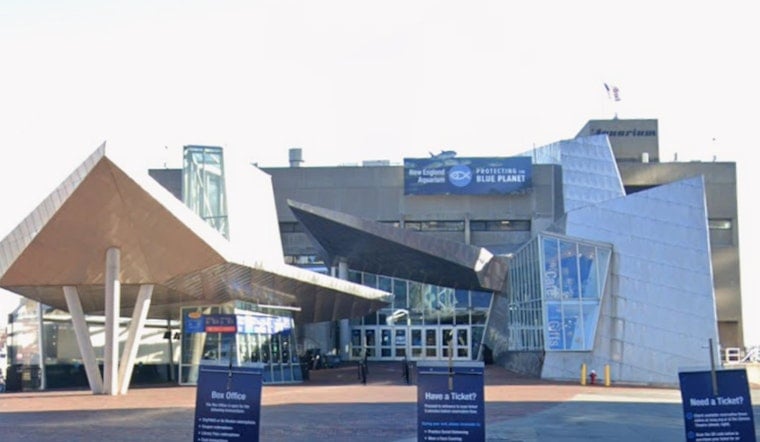
Boston's New England Aquarium is scrambling to keep up with a surge of stranded sea turtles this year, as warming waters push juvenile animals farther north and leave many hypothermic on Cape Cod beaches. The aquarium's Sea Turtle Hospital, a modest rescue operation when it opened in 2010, now regularly takes in hundreds of turtles annually. Volunteers and veterinary teams are stretched across months-long rehabilitations for animals weakened by cold, infection and boat strikes.
Inside the Sea Turtle Hospital
When the Sea Turtle Hospital first launched in 2010, it typically treated about 40 to 50 turtles a year. Those numbers now feel almost quaint. "With the warming of the Gulf of Maine, we are now seeing over 400 turtles annually," Adam Kennedy, director of the aquarium’s Sea Turtle Hospital, told CBS Boston. Many of the patients need tube-feeding, X-rays and daily bloodwork while teams work through pneumonia, septicemia and trauma. Most turtles require anywhere from three to eight months of care before they are stable enough to be released.
2025 Season Strains Capacity
The aquarium reported that it treated more than 450 live turtles during the 2025 stranding season and had admitted 473 animals by mid-December, a mix of Kemp’s ridleys, loggerheads and green turtles, according to a New England Aquarium press release. Staff have coordinated transfers to partner rehabilitation centers and tapped donated flights and ground transport to free up space for new arrivals, while keeping the most critically ill turtles under intensive care. Veterinarians say the combination of hypothermia-linked infections and physical injuries leaves many animals needing long, individualized treatment plans.
Why Turtles Are Heading North
A 2019 study in PLOS ONE linked warmer late-summer and fall sea-surface temperatures in the Gulf of Maine to higher cold-stun counts on Cape Cod. NOAA Fisheries also highlights the Gulf as one of the ocean's fastest-warming regions. Local tallies reflect that trend on the ground: Mass Audubon reported 667 cold-stunned turtles recovered on Cape Cod by Dec. 18, 2025. Scientists warn that if warming continues, large stranding years may become more common and recovery programs will face constant pressure.
Volunteers, Partners and the Long Haul
Volunteers remain the backbone of the response, combing Cape Cod beaches and hauling cold-stunned turtles to staging points and then on to the aquarium, as local coverage described in Rock 92.9. The New England Aquarium has called for sustained federal support for rehabilitation programs and the Sea Turtle Rescue Assistance effort to help cover long-term care and transport costs. For now, rescuers say the mission stays straightforward, even if the workload does not: stabilize each turtle, provide months of treatment, and return as many animals as possible to the ocean.





