

























































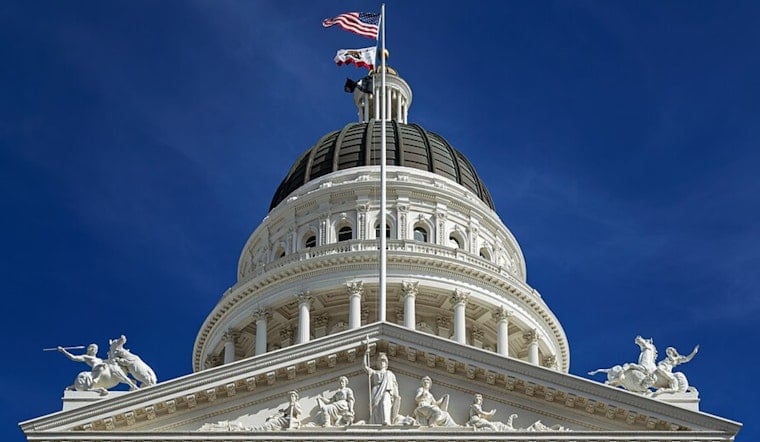
Lawmakers in Sacramento are staring down a politically loaded question: should Cal Fire pay be pushed closer to what city and county departments offer, even if it costs the state hundreds of millions of dollars? AB 2129 would tilt salary talks toward local benchmarks and lock in an annual pay survey. Fans of the bill say California has to pay up to keep engines staffed. Critics warn the price tag and new rules could short-circuit standard bargaining and blow a hole in the budget. With wildfire seasons stretching longer and overtime already sky-high, the Capitol is weighing whether to spend more now or watch veteran firefighters walk to better-paying local gigs.
What AB 2129 Would Do
AB 2129, carried by Assemblymember Heath Flora, tells the state to bargain with rank-and-file firefighters so that pay lands within 15 percent of the average salary for matching ranks in 20 specified California fire departments. The bill orders the state and the exclusive representative for State Bargaining Unit 8 to jointly survey those departments every year and publish projected averages that would guide upcoming negotiations, according to the bill text on California Legislative Information.
Price Tag and Politics
The Assembly Appropriations Committee flagged a potential General Fund hit in the ballpark of $373.4 million to $609.1 million. That range has turned what might have been a quiet labor tweak into a high-profile budget fight, as reported by The Sacramento Bee. AB 2129 is essentially a sequel to last year’s AB 1309, which Gov. Gavin Newsom vetoed. In his veto order, he warned that writing a salary floor into statute could undercut collective bargaining, signaling he is wary of the Legislature hard-wiring pay formulas into law.
Firefighters Say They’re Losing Ground
Cal Fire Local 2881 President Tim Edwards told The Sacramento Bee that state firefighter pay has not kept up with inflation or local raises, and that some families are feeling it in very real ways. He underscored the squeeze by pointing to one engineer who qualified for free school lunch. On the other side of the debate, Lance Christensen of the California Policy Institute has labeled the bill a duct tape fix that slides past bigger questions about wildfire prevention, state regulations and long-term budgeting. To backers, AB 2129 is about retention and safety on the fire line. To skeptics, it is a pricey shortcut in search of a funding plan.
Why Budget Watchers Worry
California’s finances are still on shaky ground. The governor’s May budget and independent reporting have both warned of multi-billion dollar deficits and choppy revenue streams, while cap-and-trade auctions that support some wildfire programs have softened. That combination, weaker special funds and uncertain income taxes, makes any new ongoing General Fund promise a hard sell. The tension between fiscal risk and competing priorities helps explain why budget officials and some lawmakers hesitate to lock in big new costs, according to coverage by the Los Angeles Times and analysis at CalMatters.
What Comes Next
The bill spells out that any raise would still move through a memorandum of understanding under the Dills Act, so the actual dollars must be bargained, then, if they require new spending, approved by the Legislature in the annual Budget Act. Those steps keep the Department of Finance, the Legislative Analyst’s Office and the governor at the center of how much the state ultimately pays, consistent with the bill language and standard practice described on California Legislative Information.
The trade-off is not subtle. The Legislative Analyst’s Office has documented that Unit 8 compensation includes heavy overtime and that state salaries often trail the very local departments used as comparisons. Lawmakers now have to decide whether a market-based bump will actually keep firefighters on the job or simply drive up long-term costs without fixing chronic staffing shortages, prevention gaps or overtime pressure. Over the coming weeks, as committees weigh in, the Senate takes its turn and the governor gets the file, Sacramento will choose whether to cut a big check, push everyone back to the bargaining table, or hunt for a slower, phased-in fix.





,_NW_view_up.jpg)