

























































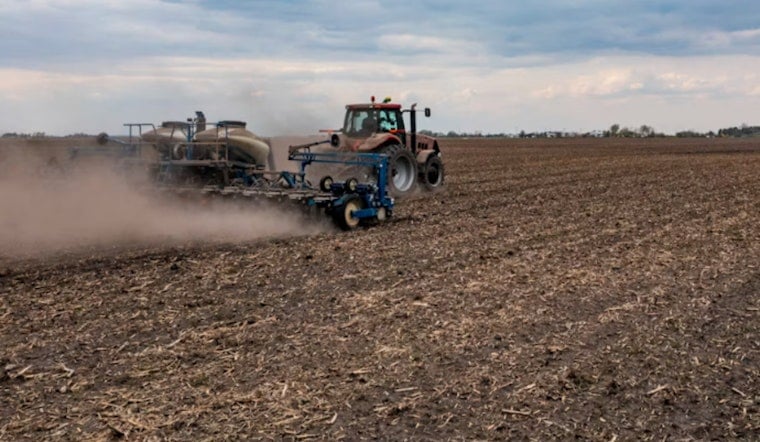
A year after California tightened rules to curb exposure to the soil fumigant 1,3‑dichloropropene, state records show use went up instead of down. The bump was centered in the Central Valley, where growers turn to the chemical for almonds, grapes and sweet potatoes. Farmworker and community advocates say the trend undercuts the protections regulators promised when they rolled out new bystander rules in 2024.
What the numbers show
According to Inside Climate News, state records indicate growers applied roughly 1,000,000 more pounds of 1,3‑D in 2025 than in 2023 or 2024, and adjusted‑total‑pound metrics, which factor in application method and timing, climbed sharply as well. The reporting also cites an analysis finding about a 30% uptick in average 1,3‑D measured at a DPR air monitor in Delhi for the first three quarters of 2025 compared with the same period in 2024. Advocates say those shifts show emissions have not dropped despite the new restrictions.
Central Valley hotspots and township caps
California Department of Pesticide Regulation quarterly records for January through March 2026 show Merced and Kern counties near the top of the list, with roughly 595,915 pounds and 512,018 pounds applied respectively for that quarter, according to the agency’s county summary from CDPR. The same summary points to heavy use on sweet potatoes, grapes and almonds.
In a separate township report for that quarter, DPR lists one township at 154,299 adjusted total pounds, above the 136,000‑pound township cap that courts had previously ordered the agency to maintain, according to CDPR.
Regulators defend the changes
DPR says its 2024 residential‑bystander rule, which tightened setback distances and added requirements for deeper injection, higher soil moisture and tarps, was designed to reduce emissions while keeping options workable for growers. A DPR spokesperson told Inside Climate News that the agency “specifically developed methods that could allow for comparable levels of use while reducing overall emissions.” Advocates counter that the data so far do not show the promised reductions.
Health risks and legal pressure
Public sources note that 1,3‑D has been linked to tumors in laboratory animals and can trigger acute symptoms such as respiratory distress, dizziness and eye irritation at higher exposures, according to the National Pesticide Information Center. In February, farmworker and community groups filed a verified petition asking a California court to require DPR to adopt stronger protections for both residents and workers, arguing that the agency’s two‑tier regulatory approach does not meet its legal obligations; the petition is available in court filings via Pesticide Reform.
What to watch next
For now, the legal challenge and DPR’s ongoing monitoring in high‑use areas are the main story lines. Advocates are pushing for faster limits and a single standard that protects people who live and work next to treated fields, while regulators say they need more data before drawing firm conclusions. As more quarterly numbers roll in, county agricultural commissioners, growers and community groups are likely to press DPR for clearer rules or more visible enforcement steps.





