

























































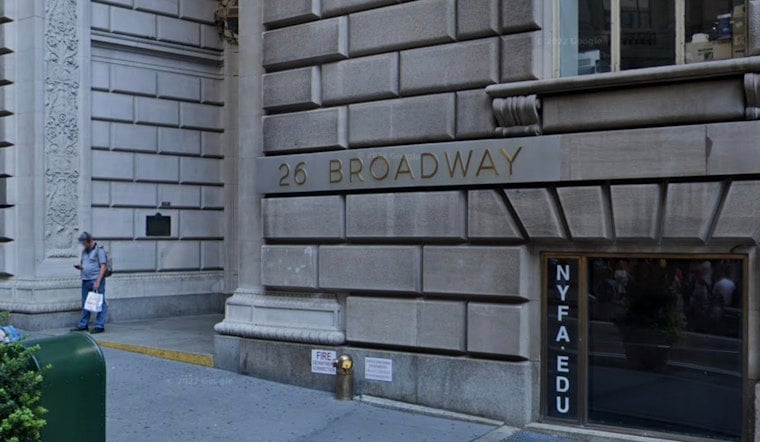
The Chetrit family has hit another rough patch downtown, with the mortgage on the 29‑story Standard Oil Building at 26 Broadway now pushed into special servicing. It is the latest turn in a year‑long stretch of creditor actions, court judgments and criminal probes swirling around Meyer and Joseph Chetrit, and it raises a very practical question for Lower Manhattan workers, tenants and investors alike: who is actually going to control one of the Financial District’s best‑known office towers if the numbers do not improve.
According to Morningstar Credit, the $290 million CMBS loan on 26 Broadway was transferred to special servicing after the owners signaled they were likely to stop making payments. The building’s debt‑service coverage ratio has slipped to about 0.76x and net cash flow is roughly 30 percent below what lenders underwrote, while occupancy sat at around 75 percent at the end of the first quarter. Those figures were enough to move the loan into the hands of a special servicer, a step that puts potential workouts or even liquidation on the table for bondholders.
The debt stack was put in place in 2022 by Starwood Mortgage Capital and the Bank of Montreal, and Meyer and Joseph Chetrit also took on a $40 million unsecuritized mezzanine slice tied to the property, according to The Real Deal. The family picked up the ground lease in 2007 for about $225 million, then bought the underlying land in 2010 for roughly $35 million. That layered capital structure, combined with personal guaranties, now leaves the brothers exposed as creditors intensify their collection efforts.
Legal Troubles Pile Up
The financial squeeze is coming on top of mounting legal problems. Manhattan prosecutors unsealed tenant‑harassment indictments against the Chetrits last fall, as reported by Law360. In a separate blow, court filings show fashion designer Reem Acra won a judgment of roughly $38.7 million over fire damage to her studio, according to the New York Courts. Together, those rulings give creditors more leverage as they line up for repayment.
What Special Servicing Could Mean For 26 Broadway
When a CMBS loan is handed to special servicing, a workout specialist steps in and decides whether a modification, discounted payoff or foreclosure will squeeze out the best recovery for investors, as Trepp explains. Servicers often try to negotiate a deal that preserves value, but they will pivot to a sale if the numbers make that option more attractive. Creditors are already circling: an affiliate tied to Maverick Real Estate Partners secured a court‑ordered judgment and has been auctioning off Chetrit holding‑company interests, a process The Real Deal detailed. The broader Manhattan office market has shown leasing strength this year, though demand in Lower Manhattan remains uneven, a split that will shape whether a consensual restructuring is realistic or a sale is more likely, according to Colliers.
Neighbors and tenants will be watching closely to see whether day‑to‑day service and leasing momentum at the Standard Oil Building hold up while the loan is under review. A crowded field of creditors and judgment holders could make any single restructuring difficult and stretch out the timeline for a final outcome. Representatives for the parties involved did not immediately respond to requests for comment, according to Bisnow, and the special servicer now has wide latitude to pursue whatever recovery path it believes will best protect bondholders.


