

























































A routine Sunday shift at a New York City Department of Environmental Protection facility in Valhalla turned into a hazardous-material scare when a chlorine leak left a worker with a chemical burn and briefly sent emergency crews scrambling. The employee was taken to a hospital, treated and released, and authorities say the incident never posed a threat to the public or to the region’s drinking water.
What happened
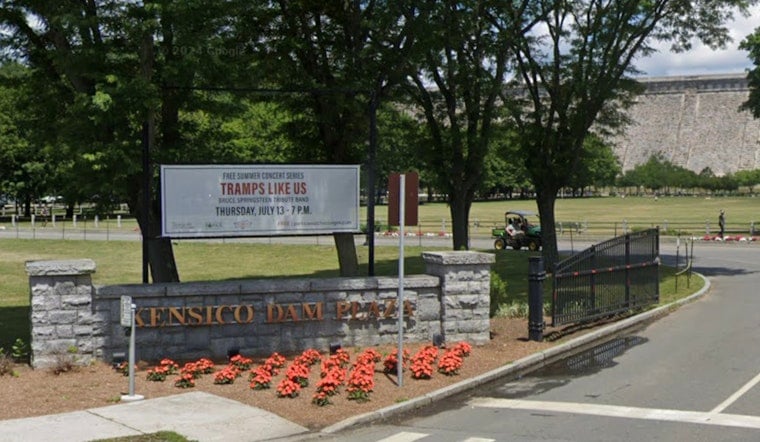
The alarm went off around 1:45 p.m., when detectors at the DEP site near the Kensico Dam signaled an active chlorine gas release. Nearly 10 local agencies, including county hazmat teams and DEP police, rushed to the scene and set up a safety perimeter while firefighters worked to track down and plug the leak. Crews stayed on site to check air quality until readings dropped back to safe levels, according to News 12 Westchester.
Where it happened and the injured worker
The leak was reported at DEP Shaft 18, a key piece of water infrastructure located at 20 Westlake Drive in Valhalla, county officials told reporters. The on-site worker suffered a chemical burn during the incident but was later treated and released from the hospital, according to reporting by Daily Voice.
City: water supply is safe; investigation underway
A DEP spokesperson said New York City’s drinking water remains safe and continues to meet federal and state quality standards, despite the scare at the Valhalla facility. The New York State Department of Environmental Conservation has opened an investigation into what triggered the chlorine release. Officials say responders contained the leak before it rose to a public-safety concern, according to News 12 New York.
Why chlorine releases are taken seriously
Chlorine is widely used as a disinfectant in water treatment, but in gas form it is a toxic substance that can irritate or burn the eyes, skin and lungs at higher concentrations. Federal health agencies note that exposure can lead to breathing difficulties and other health issues, which is why utilities and hazmat teams follow strict containment and monitoring protocols any time a release is detected. For more on chlorine’s health risks and its role in water disinfection, see guidance from the CDC and the EPA.
What’s next
Officials say the immediate hazard has been contained, and monitoring will continue at the site while state investigators sort out exactly what went wrong at the facility. Agencies have not issued any new safety advisories but are expected to release more information as the investigation moves forward. This story will be updated if additional details are made public.





