

























































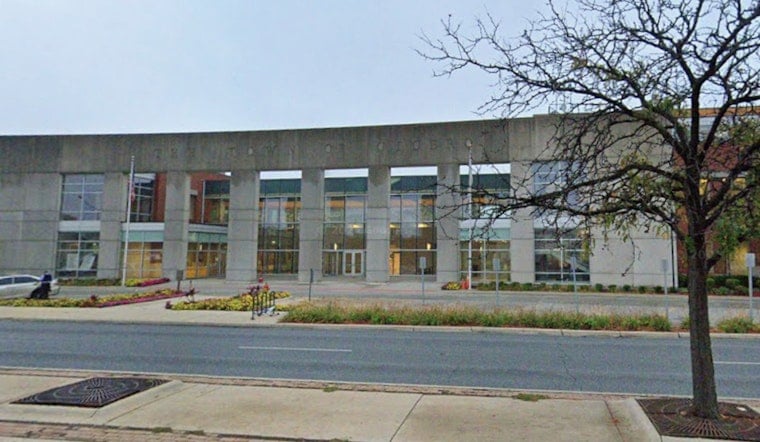
Cicero is finally throwing serious money at a problem that has soaked homeowners for years. On Monday, town officials kicked off a roughly $96 million flood-recovery program aimed at keeping sewage and stormwater out of basements and low-lying homes. The town said the first tranche will cover installation and maintenance of backflow prevention valves for residents whose properties flooded in prior storms, with Town President Larry Dominick presiding over a ribbon-cutting at the Cicero Community Center to mark the launch.
As reported by CBS News Chicago, town officials announced the initial round of grants and signaled that future awards will bankroll stormwater infrastructure upgrades, sewer repairs and other long-term prevention measures. The station noted officials scheduled a 10 a.m. ribbon-cutting at the community center and that the program follows heavy storms that previously inundated the community. Town leaders are pitching the effort as the opening phase of a multi-year resilience plan for Cicero neighborhoods.
What's in the plan
The town's HUD-approved Action Plan slices the $96,004,000 award into several targeted buckets: about $20 million for sewer check-valve (backflow) installations, roughly $31 million for stormwater management and storage, $26.5 million for sewer repair and construction, and $12.5 million for permeable alleys, with the remainder reserved for planning and administration. The breakdown appears in HUD's approval letter and the town's Action Plan.
Why it matters for homeowners
Town officials and planning documents trace the push back to a July 2023 downpour that dumped more than 8 inches of rain in parts of the region and overwhelmed aging drainage systems. The Town of Cicero says it helped nearly 7,000 residents complete damage assessments after the floods, a tally officials then used to press for federal aid. For many homeowners, the backflow valves are a relatively low-cost, immediate defense against the kind of sewage-filled basements that can follow intense storms.
How Cicero pressed for the funding
To get to this point, officials organized a townwide damage-assessment campaign, set aside more than $1.1 million from local revenues and earmarked American Rescue Plan funds to stabilize water and sewer projects while making their case to HUD and other agencies. Local reporting credited that outreach, along with public hearings that brought in regional partners such as the Metropolitan Water Reclamation District, with helping secure the award. West Cook News and town statements say the administration also floated a West Cook Flood Prevention District and expanded green-alley projects to boost neighborhood drainage capacity.
Next steps for residents
The town says staff are wrapping up training to manage the CDBG-DR funds and will move through a planning stage that includes needs and duplication-of-benefits assessments, consultation with agencies and the public, and at least one public hearing before programs open. Program policies, procurement solicitations and eligibility rules are expected to be posted on the town's CDBG-DR page, and residents are encouraged to sign up for email updates. Until details are released, officials recommend that residents keep records of past flood damage and repair receipts to speed potential applications.
Officials say pairing immediate home-level measures with major infrastructure investments is intended to reduce near-term hardship and make Cicero less vulnerable to the next intense storm. Residents are being urged to watch municipal notices for program openings and eligibility details as the town moves from planning to construction.





