

























































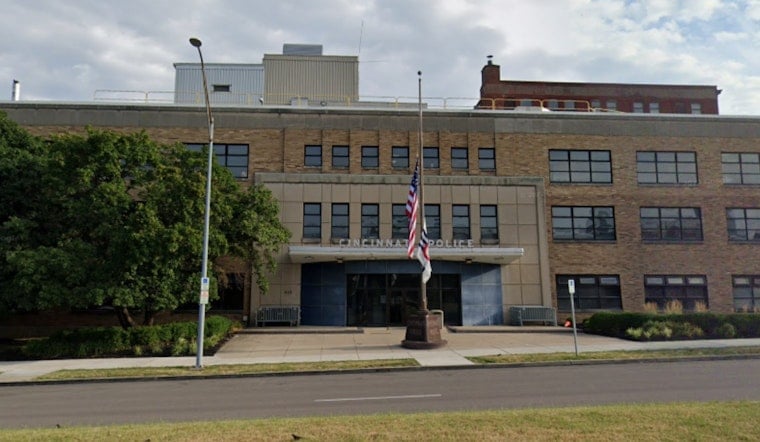
Cincinnati’s top civilian and police leaders are already on the defensive over a not-yet-public review that reportedly accuses the police department of a long-running pattern of racial bias in traffic and pedestrian stops. In separate memos to the mayor and city council, City Manager Sheryl Long and Interim Police Chief Adam Hennie questioned the report’s methods and said the city was never brought into the process. The third-party analysis, commissioned by the Hamilton County Public Defender’s Office, examines more than 15 years of Cincinnati Police Department “contact card” data and is expected to drop by the end of the week.
Officials Question Methods and Being Left Out
In a memo to council, Long said the city “was not consulted during the review” and stressed that officials take any allegation of bias seriously, according to WLWT. She wrote that the city plans to “engage external experts” to examine current policing practices and to seek community input on potential reforms. As reported by WLWT, the review focuses on contact cards — the forms officers fill out to document traffic, pedestrian, and investigative stops — covering roughly 2009 through 2025.
Interim Chief Pushes Back on Findings
Hennie, in his own memo, argued that “the report’s methodology appears flawed” and said its conclusions are misleading, according to WLWT. He wrote that he would not stand by allegations that cast doubt on officers’ professionalism and integrity and noted that neither the city nor the department had been included in discussions about the report’s methods or findings. The dueling memos set up a very public collision between advocates who want aggressive outside scrutiny and police leadership intent on defending how the department does its work.
Who Campaign Zero Is and What It Does
Campaign Zero describes itself on its website as a national research and policy organization focused on data-driven reforms aimed at reducing police violence and improving accountability. The group publishes national research, builds data tools to analyze policing patterns, and has conducted local reviews in other cities. For more background on its work, see Campaign Zero.
Local Tensions and What Is on the Line
The timing of the report is hardly subtle. It arrives as City Hall is still reeling from the removal of Chief Terri Theetge this spring, after an independent investigation and friction with the city manager over the 2025 Summer Safety Plan — a shake-up that drew heavy local scrutiny. Theetge’s ouster elevated Assistant Chief Adam Hennie to interim chief and tightened political oversight of the department, as reported by FOX19. How Campaign Zero’s findings line up with the city’s internal reviews could shape future policy, civilian oversight, and neighborhood trust in CPD for months, if not years, to come.
What Happens Next
The full Campaign Zero report is expected by the end of the week. City officials say they will review its findings, potentially bring in their own outside experts, and seek community feedback before floating any policy changes. If the report’s preliminary claims hold up, expect defense attorneys, civil-rights advocates, and neighborhood groups to push hard for public hearings. This story will be updated once the report is released and when city officials present any formal recommendations to the council.





