

























































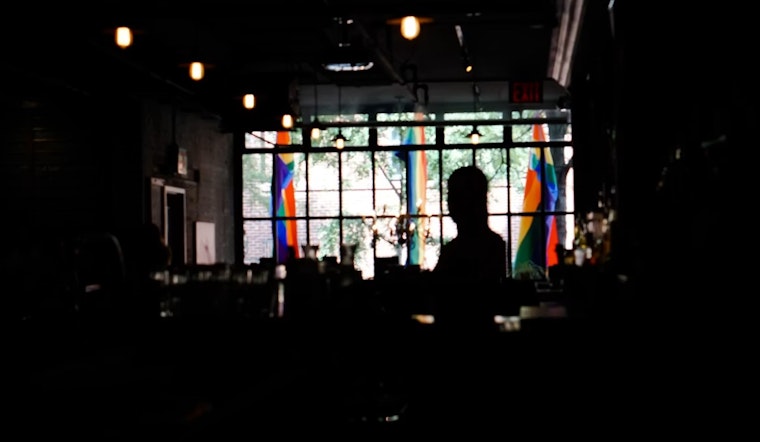
Cincinnati’s queer scene is buzzing. Packed DIY nights, growing drag bills, and multiroom events have become a reliable part of going out in the city. At the same time, longtime LGBTQ+ rooms and bars are closing or changing hands, leaving fewer regular spots where queer people can count on seeing each other.
Local owners and organizers say that tension is no coincidence. “Back then, gay bars were a necessity to avoid discrimination,” co-owner Terry Bond said, and DJ Boywife told reporters that “queer culture in Cincinnati is booming” even as “there just aren’t as many places to go.” As reported by CityBeat, owners point to rising costs, outside investment, and changing nightlife habits as the main pressure points.
National forces at work
What is happening in Cincinnati tracks with a national wave of queer-space closures tied to higher rents, staffing, and supply costs, and shifts in how people socialize at night. A survey of recent shutdowns found dozens of queer venues folding across the U.S., Them reported, and Gallup polling shows adults under 35 report drinking less than previous generations, a trend that cuts into the repeat customers bars rely on, according to Gallup.
New owners and DIY nights
Even with the headwinds, local promoters are trying to rebuild the city’s queer infrastructure. Promoter Tom Funke recently purchased OTR music venue The Mockbee and says he plans to convert the second floor into an LGBTQ+-owned nightclub and event room. Grassroots parties, including Sophie Night, which organizers say raised roughly $3,000 for trans causes, suggest there is a paying demand for queer-focused events. The Mockbee lists its address at 2260 Central Pkwy, and these local efforts blend DIY energy with investor plans, as noted by The Mockbee.
Where money and identity collide
Several local historians and DJs worry that leaning too hard on bachelorette parties and straight crowds to stay afloat can erode the queer ownership and culture that made these bars feel essential in the first place. Coverage of the Birdcage and its spin-off lounge, The Flock, shows how owners have repositioned venues to chase broader audiences, a shift earlier detailed by WLWT.
Organizers’ prescription is straightforward: show up, support queer-run nights, and put money into queer ownership instead of only one-off events. With clear demand for queer-only rooms, Cincinnati’s scene can survive, but only if the community treats nightlife as civic infrastructure rather than just another weekend distraction.





