

























































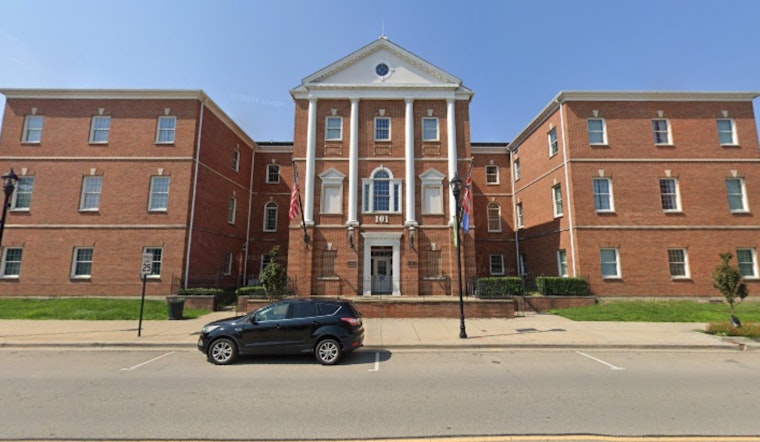
Clermont County leaders have put the owners of the shuttered Walter C. Beckjord coal plant on the clock, serving a formal Notice of Intent to Sue that gives them 90 days to fix what officials say are serious cleanup failures along the Ohio River. If the problems are not addressed, commissioners say they will head to federal court, escalating a yearslong fight over coal-ash pits near New Richmond that has residents increasingly on edge.
County serves 90-day notice
In the notice, commissioners allege that Commercial Liability Partners, its subsidiary New Richmond Development Corporation, and former owner Duke Energy violated the Resource Conservation and Recovery Act in how they handled, stored and disposed of coal combustion residuals at the Beckjord site, according to violated the Resource Conservation and Recovery Act. The document says the companies' proposed closure plans do not comply with federal law and gives them 90 days to take “appropriate remedial action.”
“We are taking this action today on behalf of the people of Clermont County,” Commissioner David Painter said in a statement cited by the station, making clear the board is prepared to test its arguments in court.
Years of litigation and local pressure
Neighbors and local groups have already spent years in court over Beckjord. They filed consolidated federal cases accusing the owners of open dumping, nuisance and flawed closure plans, according to court records. Those dockets show judges wrestling with standing questions and how the federal coal-combustion residuals rules should apply, along with a long trail of motions, orders, and appeals.
The case file compiled by Justia sketches out a procedural saga that has left residents and county officials frustrated and still waiting for a final cleanup blueprint.
What sits along the river
Investigative reporting has documented roughly 6 million cubic yards of coal fly ash sitting in unlined ponds at Beckjord, in the Ohio River floodplain just upstream from the Pierce-Union-Batavia townships' well fields that serve about 145,000 people, and from the Ohio River itself, a drinking water source for more than 5 million people, according to 6 million cubic yards of coal fly ash. The county's notice points to groundwater monitoring data and closure plans it says do not meet legal standards, and local testing has tracked a migrating sulfate plume that has become a focal point of concern.
Reporters also found that one of two interceptor wells intended to help protect the aquifer has not been working since 2023, a failure county officials say only heightens the risk for the nearby well fields.
Federal rules and health risks
Coal fly ash can contain mercury, arsenic, and other pollutants that the U.S. Environmental Protection Agency links to cancer and a range of serious health problems. The agency has been tightening oversight of older ash sites in recent rulemaking, according to the U.S. EPA.
The 90-day clock in Clermont County’s notice mirrors the pre-suit timeline commonly used in RCRA citizen suits, a procedural step meant to give alleged violators a chance to respond before litigation goes forward, according to legal analysts at the American Bar Association.
Company response and next steps
Commercial Liability Partners has said its subsidiary has worked with the Ohio EPA on demolition and remediation plans at Beckjord and that it continues coordinating with regulators as cleanup progresses, according to the company's public statements. Clermont County officials, for their part, say they will closely track the 90-day period and are prepared to pursue federal litigation if the owners do not take what the county views as appropriate remedial action.
County meeting minutes show commissioners have been raising alarms about water safety and oversight at the site for years, and the new notice plants a firm deadline in a dispute that has already generated stacks of filings and drawn federal attention.
Legal implications
If the county does file suit, the citizen-suit provisions of RCRA allow courts to order injunctive relief, including cleanup or removal of waste, and in some situations to shift fees and costs to responsible parties. Judges typically spend significant time on technical, jurisdictional, and regulatory questions before signing off on large remediation programs, legal analysts note.
The American Bar Association reports that RCRA litigation often ends in negotiated settlements that can require excavation, installation of liners, or off-site disposal of waste, outcomes Clermont County leaders have publicly called for at Beckjord. For neighbors who have been watching the site for years, the commissioners’ notice signals that the long-running fight is edging toward a direct legal test of what federal law will ultimately require on the riverfront.





