

























































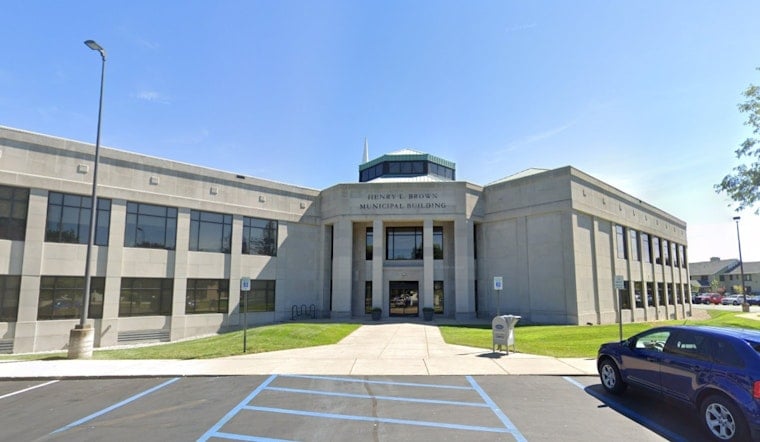
A courtroom showdown last Thursday over a long-running utility fee has Coldwater staring down a budget nightmare, with a class-action lawsuit threatening to rip a multimillion-dollar hole in the city’s general fund and force tough choices on basic services. At the center of the fight is a 6.5% payment-in-lieu-of-taxes (PILOT) tacked onto utility bills, which plaintiffs say has been miscalculated for years and has quietly driven up what residents and businesses pay. With both sides already talking about appeals, the case could leave the city’s finances in limbo for a long time.
The complaint, filed in December on behalf of resident Jason Mate and handled by attorney Gregory D. Hanley, argues the city has been taking 6.5% of gross revenues rather than the "gross income" described in the city charter. The suit seeks refunds for roughly 7,000 customers and says Coldwater improperly failed to subtract power-supply pass-through costs when calculating the PILOT, inflating how much money was shifted into the general fund, according to WTVB.
Court filings and budget estimates cited in the lawsuit peg the potential impact at about $13.8 million for the 2026–27 fiscal year, roughly a quarter of Coldwater’s general fund. Plaintiffs say that kind of hit could squeeze everything from road work to public safety. Mayor Tom Kramer said losing that revenue would “cripple” the city, according to The Daily Reporter.
The transfers are rooted in a charter provision voters approved in 1960 that directs the Coldwater Board of Public Utilities to send 6.5% of its earnings to the city treasurer, according to City of Coldwater documents. The CBPU has kept collecting that payment while the lawsuit plays out, and city budgets continue to list the PILOT as a regular revenue line.
What Happens Next in Court
Calhoun County Circuit Judge John Hallacy oversaw Thursday’s hearing on the city’s motion to dismiss and said he would issue a written order before setting a schedule for the rest of the case. A temporary stay on discovery remains in place to reduce immediate demands on city staff while the court sorts through the legal arguments, according to WTVB. Lawyers on both sides told the court that whoever loses is likely to appeal, which means residents and businesses may not get clear answers for years.
Legal Stakes and Local Fallout
The lawsuit hinges on an unjust enrichment claim that says the PILOT should be calculated only after deducting power-supply pass-through costs. The complaint puts those costs at more than $33 million from 2021 through 2024. City special counsel Kimberly L. Scott has pushed back, arguing that federal tax definitions cited by the plaintiffs do not control what the charter means by gross income and that the unjust-enrichment theory falls short because it does not show specific personal harm. Discovery remains paused while the judge rules on those issues.
Finance Director Tom Eldridge told the court that about 85% of PILOT receipts come from non-residential accounts, including major local employers, a concentration that he said magnifies the budget risk if refunds are ordered, according to The Daily Reporter. If the plaintiffs prevail, the financial ripple effects would fall heavily on both city hall and the businesses that anchor the local economy.
Broader Implications
Legal observers note that the Coldwater case taps into a bigger statewide debate over how city charters are interpreted and how far municipalities can go in collecting utility transfers that look a lot like taxes. Similar fights over local utility charges and drainage-district fees in other parts of Michigan have already headed into the appellate courts, raising the possibility of rulings that could reshape how cities structure and defend these revenue streams, as reported by Law360.
For now, that 6.5% line item is not going anywhere on Coldwater utility bills, and city officials say they are sketching out contingency plans in case the courts eventually curtail the transfers. When Judge Hallacy’s written order lands, it will be read closely at city hall and across town, but whatever it says, this legal fight is not likely to wrap up anytime soon.




