

























































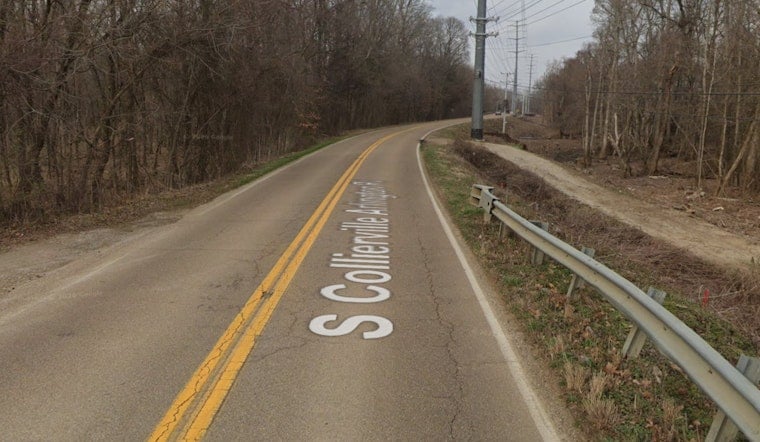
One of Collierville's widest streets is about to go on a serious diet. The town is planning to slim a seven-lane stretch of Collierville-Arlington Road down to a three-lane corridor, adding buffered bike lanes, shoulders and a lower speed limit through a residential section. Town and state officials say the overhaul is meant to calm traffic and make the corridor safer for people who walk, bike and drive. The town estimates the stretch handles about 9,000 drivers a day and says the conversion will happen through a two-phase restriping effort that should take roughly 30 days.
The Plan And Timeline
TDOT crews are set to start restriping Collierville-Arlington Road at Shelton Road in a two-phase operation that officials expect to wrap up in about 30 days, with the corridor carrying roughly 9,000 drivers each day, as reported by WREG. Instead of a full rebuild, the work will lean on fresh striping and new pavement markings, avoiding heavier reconstruction.
Town's Explanation
The town's planning division has posted an overview of the Collierville Arlington Road Diet and says the redesign is aimed at improving safety and multimodal access, according to the Town of Collierville's planning page overview. Neetu Singh, Collierville's transportation manager who presented the proposal to the Board of Mayor and Aldermen, is listed on the town's staff directory here.
Local Context
The road-diet idea has been circulating in town meetings for months. Earlier coverage from the Daily Memphian noted that Collierville-Arlington Road measures roughly 64 feet in places and may be wider than necessary for current traffic patterns. That reporting describes the plan as a follow-up to earlier conversations about how to use all that existing pavement more efficiently, the newspaper wrote.
What Will Change On The Street
Under the plan, sections that run through residential areas will be pared down to two travel lanes, with a center-turn lane kept where needed. The extra space will be reworked into bike lanes and shoulders. The speed limit is expected to drop from 40 to 35 mph, a change traffic managers say should help calm speeds and reduce conflicts, as reported by WREG.
Road Diets, By The Numbers
The Federal Highway Administration has documented that road-diet conversions often reduce crashes by roughly 19 to 47 percent and are a relatively low-cost way to create space for bicycles and pedestrians. FHWA guidance notes that these conversions are most effective when paired with resurfacing or restriping work, because much of the safety benefit comes from reallocating existing pavement to protected uses, according to FHWA.
Next Steps And What Drivers Should Expect
Drivers should look for new lane markings, updated signage and short disruptions while crews repaint the lanes. Because the work is mostly about paint and signs rather than tearing up the roadway, town staff expect most impacts to be temporary. Residents and regular commuters are encouraged to keep an eye on town announcements for timing updates and any minor detours during the two-phase restriping.




