

























































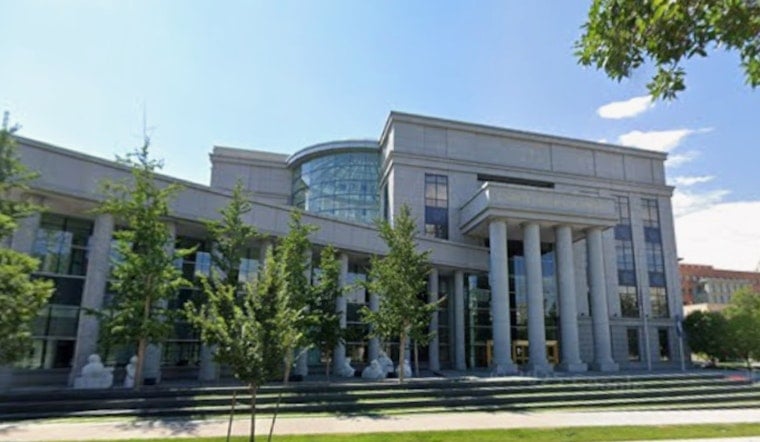
Colorado's top court has given insurers a green light to dig more deeply into policyholders' medical histories when benefits are denied, a shift that could reverberate through underinsured-motorist and other coverage fights across the state.
In an en banc decision issued Monday, the Colorado Supreme Court held that insurers may obtain policyholders' medical records and compel independent medical examinations in many lawsuits over denied benefits. The ruling came in a discovery dispute brought by Colorado Springs plaintiff Samantha Pinto against United Services Automobile Association (USAA), and it leaves in place a district judge's order requiring Pinto to turn over extensive medical information. The decision tightens privacy protections that some policyholders had relied on in bad-faith litigation and is expected to reshape how contract-based insurance disputes are litigated statewide.
What The Court Actually Said
The justices drew a sharp line between bad-faith claims and straight breach-of-contract claims for benefits. In 2018, the court's Schultz v. GEICO decision limited courts reviewing bad-faith claims to the evidence the insurer had in hand when it made its decision. On Monday, the court said that "freeze-the-frame" rule does not apply when the claim is simply that the insurer breached the contract by failing to pay benefits.
Because of that distinction, the Supreme Court concluded that the trial judge did not abuse his discretion when he ordered Pinto to produce unredacted medical records, turn over documents related to a later car crash, and submit to an independent medical examination, according to the Colorado Supreme Court.
The Pinto Fight, In A Nutshell
Pinto sued after a December 20, 2020, rear-end collision that she says left her with neck and back injuries, along with concussion-related cognitive problems that cost her employment benefits. The at-fault driver's insurer paid out its $500,000 policy limit. Pinto then sought $300,000 in underinsured-motorist benefits under her USAA policy, and experts later pegged her lost wages and benefits at nearly $1.37 million. Pinto maintains that USAA refused to offer any settlement.
In the trial court, District Judge Eric Bentley ordered Pinto to turn over medical records, including files stemming from an April 2022 crash, and to sit for a neuropsychological examination, as reported by Colorado Politics.
Why Insurers Can Probe Beyond The Claim File
The Supreme Court explained that Schultz was tied specifically to bad-faith claims, which require courts to evaluate whether an insurer's conduct was reasonable at the time it acted. Contract claims, by contrast, ask a different, more basic question: are benefits owed under the policy or not?
In Pinto's case, the justices emphasized that "Pinto placed her mental health at issue" by seeking damages for cognitive problems. That opened the door for USAA to investigate whether causes other than the 2020 crash might explain her ongoing complaints, the opinion says, according to the Colorado Supreme Court.
Privacy Concerns Versus Defense Ammunition
The ruling gives insurance companies wider latitude to request medical histories and to rely on evidence generated after the insurer's original decision in contract suits. Plaintiffs' lawyers warn that this kind of broader discovery could turn run-of-the-mill benefits disputes into highly intrusive fishing expeditions into a policyholder's past.
Defense-side groups counter that if discovery were frozen at what the insurer knew when it denied coverage, policyholders would be incentivized to rush into court just to wall off future evidence. The Colorado Defense Lawyers Association backed USAA's position with an amicus brief, according to Colorado Politics.
How Judges Can Still Guard Sensitive Records
Even with the broader discovery window, the court noted that trial judges still have tools to protect litigants' privacy. Orders for independent medical examinations require a showing that a party's physical or mental condition is genuinely "in controversy" and that there is good cause to require the exam. Litigants can also seek protective orders that limit how sensitive medical records are disclosed and used.
Those safeguards come from the Colorado Rules of Civil Procedure, which govern discovery and medical examinations and spell out the standards trial courts apply when weighing these requests, according to the Colorado Court Rules.
What Happens Next In Pinto's Case
With its opinion issued, the Supreme Court discharged the rule to show cause and left the trial court's discovery orders intact. The case now returns to the district court, where litigation will continue under the broader discovery framework the high court described.
The matter remains captioned Pinto v. United Services Automobile Association, Supreme Court case no. 26SA29. From here, lawyers for both sides will battle over entitlement to benefits and the amount of damages, now armed with the expanded discovery playbook the justices have endorsed.



