

























































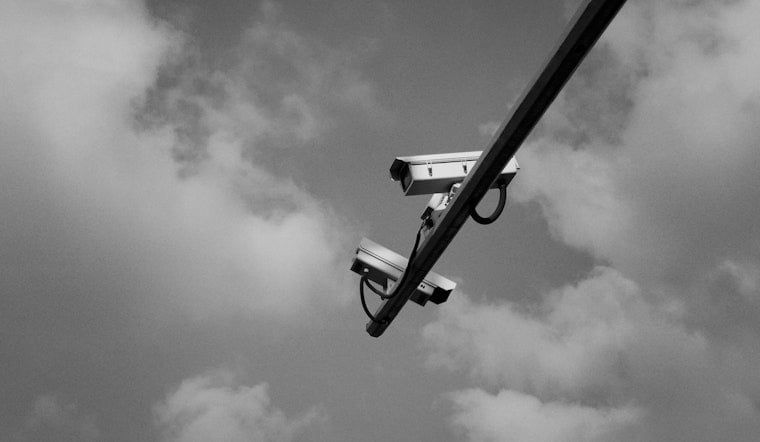
Columbia Heights officials are gearing up to pull the plug on their network of Flock Safety license plate reader cameras after a wave of resident complaints over privacy and immigration‑related data sharing. The cameras, installed under a three‑year contract, have become a flashpoint at packed town halls and in organizing by neighbors and civil‑liberties groups. City leaders say the move is an attempt to walk the tightrope between public safety and community trust, especially in the wake of recent enforcement operations.
Council moves to cancel contracts
An item on the City Council's consent agenda would instruct staff to cancel all contracts with Flock Safety, disconnect the 12 city‑owned cameras, and stop any future renewals, according to FOX 9. Council members told the station they are responding to hours of public testimony and to concerns that the system's data could be tapped by outside agencies during operations such as Operation Metro Surge. Mayor Amáda Márquez Simula noted that the town hall "took over four hours" as residents stepped up to the mic to air fears about who might get access to their information.
ACLU and local critics
The American Civil Liberties Union of Minnesota weighed in with a June 1 memo warning that Flock's model builds a centralized data repository that other agencies can query, and that audits elsewhere have documented thousands of cross‑jurisdiction searches in short time frames. The group urged the city to shorten data retention, require local storage, and tighten sharing controls to match Minnesota's data‑practices law, Minn. Stat. 13.824. The memo was included in the council meeting packet and circulated ahead of the May 14 town hall, according to the city's meeting materials; see the full submission from the ACLU of Minnesota.
National scrutiny and wider trend
Columbia Heights' turn against Flock comes as cities across the country reconsider or scrap similar systems after reporting showed federal and out‑of‑state agencies sometimes searched or accessed Flock networks. Coverage by KPBS has tracked audits and local investigations that pushed multiple jurisdictions to pause or end their contracts.
Flock's response and police perspective
Flock Safety says it does not have current contracts with ICE and that its platform stores plate reads for roughly 30 days and does not use facial recognition, according to the company's blog. Police advocates argue that automated license plate readers are a targeted investigative tool that can help track stolen vehicles and locate suspects. Critics counter that vehicle "fingerprinting" and nationwide searchability turn routine driving into a form of ongoing surveillance. Local reporting has highlighted both views, including community groups calling for strict limits. For Flock's explanation, see Flock Safety and reporting that explores police and community perspectives.
Legal questions
Attorneys and privacy advocates told the council that Minnesota's ALPR statute was written to curb centralized tracking, and the ACLU memo argued that default nationwide sharing risks clashing with that law. The ACLU recommended concrete policy steps: shorter data retention, local storage, and mandatory query logs, which the city could adopt as it moves to unwind the contract. The group urged city leaders to lock in those safeguards before any replacement system is put in place.
What happens next
The consent‑agenda item was listed as likely to be approved at the council meeting, which would set off a process to disconnect the devices and negotiate any contract termination with Flock, according to FOX 9. City staff and police are expected to brief residents on the technical steps and any impact on investigations in the coming days.


