

























































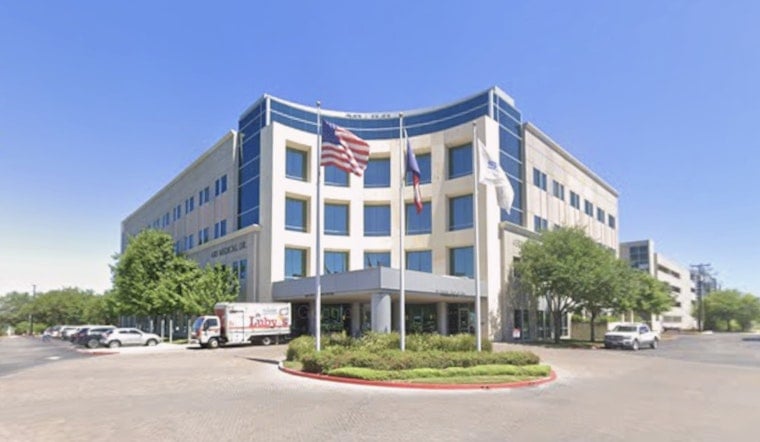
XenoStart, the preclinical research arm of the START Center for Cancer Research in San Antonio, is preparing to halt operations after a contamination incident at its facility. The sudden shutdown pulls a local source of patient-derived xenograft models and preclinical testing that drug developers and academic partners have leaned on for translational studies.
According to the San Antonio Business Journal, XenoStart, START's preclinical division, is ending operations after contamination was discovered at the site. The Business Journal report identified the closure but did not lay out a detailed public timeline or specify the type of contaminant involved.
XenoStart functions as the preclinical arm of the START Center for Cancer Research. As described on START's San Antonio page, the campus at 4383 Medical Dr houses the Phase I clinic, investigational drug section and shared services. The site is positioned as a local hub for early-phase oncology research and translational work that feeds into clinical trials.
What XenoStart Did
XenoStart developed and maintained patient-derived xenograft (PDX) models and offered in-vivo efficacy, PK/PD and custom model development services used by drug developers. In 2025, the division announced an expanded partnership with Minerva Imaging to integrate PDX and radiopharmaceutical capabilities, as detailed in a press release via PR Newswire. XenoStart's models and activities have also been cited in conference materials hosted by the AACR.
Local Impact And Unanswered Questions
The decision to wind down XenoStart has the potential to disrupt ongoing preclinical projects and affect staff responsible for the vivarium and model collections. As of June 25, 2026, START's public newsroom had not posted a statement about the shutdown or any regulatory notifications, leaving the specifics of the contaminant and the exact timeline unclear. The organization's newsroom remains the most likely place for officials to post updates.
XenoStart's exit removes a niche preclinical supplier at a moment when PDX panels and vivarium capacity are in high demand, and it could push pharmaceutical and academic groups to move studies to other providers. Hoodline will continue to track statements from START, industry partners and local outlets, and will update this story as more information becomes available.





