

























































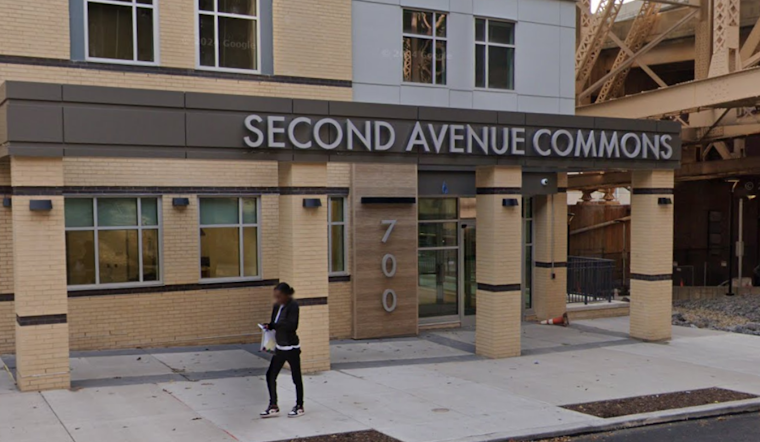
Downtown Pittsburgh’s low-barrier shelter, Second Avenue Commons, has kept city police busy this year. Investigators say officers have been called to the facility nearly 500 times since Jan. 1, which works out to roughly three calls a day. The steady stream of emergency responses has rattled nearby residents and downtown workers, who say all the flashing lights and frequent dispatches are changing how safe the area feels. Shelter operators and county partners counter that they have on-site security in place and are looking at how to cut down on emergency calls without shutting out people who need services.
According to WPXI, Chief Investigator Rick Earle obtained dispatch audio and records showing Pittsburgh police were sent to Second Avenue Commons nearly 500 times since the beginning of the year. The station’s reporting includes dispatch clips describing fights and reports of weapons, and notes that officers were called to the same address as many as 11 times on a single day in May.
What the shelter does and who runs it
The facility at 700 Second Avenue is run through a partnership of the Allegheny County Department of Human Services, UPMC, and Pittsburgh Mercy. It offers 24/7 shelter access, an engagement center, and an on-site UPMC clinic. Second Avenue Commons and Pittsburgh Mercy describe a mix of case management, clinic services, and daytime supports that are meant to connect guests with housing and health care rather than leave them on a nightly shelter treadmill.
PNC and police detail
Nearby businesses and workers say they have felt harassed or unsafe because of groups that gather outside the shelter, and law enforcement sources told investigators that private security and extra police details have been brought in to try to keep a lid on problems. WPXI reported that PNC is paying for two officers at times and that the city approved the temporary placement of a marked police cruiser as a visual deterrent, without billing the company for the vehicle. A PNC spokesperson told the station that the additional officer is part of the bank’s broader proactive security strategy downtown.
Neighbors and earlier controversy
Advocates and local reporters have been tracking tensions over how the shelter balances its low-barrier model with the neighborhood’s safety concerns. PublicSource documented an open letter from homelessness advocates, who pressed officials on shelter policies and access. Separately, restoration work after a 2024 fire has drawn its own coverage. Together, those episodes help explain why neighbors and downtown employers react so strongly when police calls around the shelter spike again.
What comes next
County officials say they are reviewing both service delivery and public-safety responses while trying to build out alternatives for non-violent crises that do not automatically involve police. They point to Allegheny County DHS and its Alternative Response Initiative, which sends behavioral-health responders to eligible 911 calls. The county’s 500 in 500 progress reporting outlines housing efforts intended to move people from shelter beds into longer-term stability. Officials say the overarching goal is to cut down on calls that truly require police intervention while getting more people connected to supports that might keep them from cycling back into crisis at Second Avenue Commons.





