

























































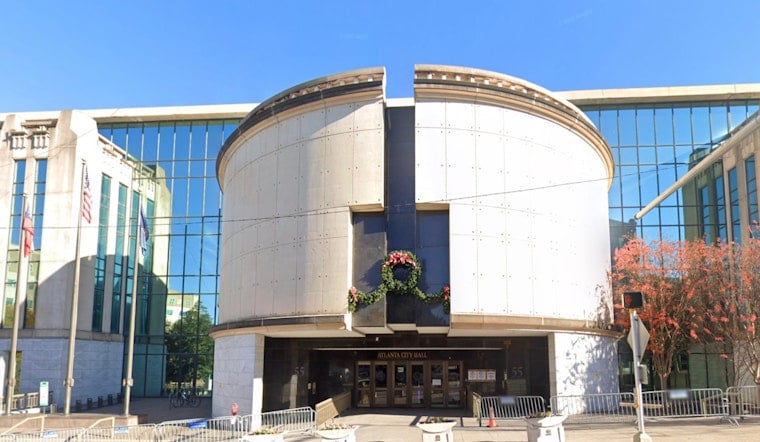
Atlanta’s City Council is once again weighing whether to slam the brakes on most new liquor licenses along the Edgewood Avenue corridor, this time with a 180-day moratorium pushed by Councilmember Liliana Bakhtiari. The proposed timeout targets the stretch from Five Points through Sweet Auburn and into the Old Fourth Ward, following a task force report that called for short-term safety fixes. Council committees are set to revisit the measure this week as city officials spell out how new cameras, enforcement efforts and licensing tweaks would roll out.
According to WSB-TV, the moratorium would halt acceptance of new alcohol-permit applications for 180 days. It would not touch applications already filed before the effective date, and it would leave renewals and special-event permits in place. That report notes the resolution is expected to return to the Atlanta Public Safety Committee on Monday afternoon for more debate.
What the Moratorium Would Do
The pause comes straight out of the Edgewood Corridor Public Safety Task Force’s final report, which listed it as one of several short-term steps. The idea is to give the city some breathing room to install cameras, crack down on problem spots and test nightlife management tools without piling on more late-night traffic in the meantime. Task force materials and council documents frame the 180-day freeze as a way to keep the corridor from getting even more crowded while those fixes are put in place, according to the Atlanta City Council.
Background: The Shooting That Sparked the Crackdown
The task force did not appear out of thin air. It was created after a mass shooting on July 28, 2025 along Edgewood Avenue that left one person dead and about 10 others wounded, a jarring incident that pushed city leaders to comb through zoning, licensing and safety gaps on the strip. Fox5 Atlanta reviewed the task force’s final recommendations and reported that Bakhtiari followed up in January with legislation calling for the moratorium, along with new camera requirements and so-called party-house reforms.
Business Owners and Neighborhood Voices
On the ground, reaction has been mixed. Some business owners on the corridor are asking for tougher enforcement against problem venues, while others worry a licensing freeze could punish responsible operators who are trying to stay afloat. As Rough Draft Atlanta reported, Jon Dean, owner of LGBTQ+ club Lore, argued that the mayor’s nightlife division had “all but abandoned Edgewood and scapegoated the bats for all the problems that persist outside our doors.”
The task force process and Bakhtiari’s follow-up legislation have also highlighted a broader tug-of-war over what Edgewood should be. Coverage in January noted the city’s effort to balance nightlife with neighborhood livability, a tension that has only sharpened as proposals like the moratorium move forward.
Next Steps and Who It Hits
City records show the moratorium resolution is part of a broader package tied to the task force’s work, and it has already bounced between the full council and its committees. If it wins final approval, it could then head to the mayor’s office for implementation. Council agenda documents list the moratorium as a 180-day request under resolution 26-R-3175, paired with a separate measure, 26-R-3111, that urges adoption of the task force’s full priority list. Both resolutions still need committee signoff and a full council vote before anything takes effect.
If the freeze moves ahead, it would block new alcohol-permit applications while leaving renewals and already-filed requests untouched. Advocates and business groups say that carve-out will do a lot to determine how disruptive the policy feels on Edgewood, especially for operators who have weathered a volatile few years.
Supporters of the pause argue it will let the city act quickly on safety without inviting new late-night density in a corridor that has already seen tragedy. Critics counter that it risks stalling small businesses still clawing back from pandemic losses. The Public Safety Committee’s action early next week should bring some clarity on whether the moratorium advances and which types of applications, if any, are ultimately exempt.





