

























































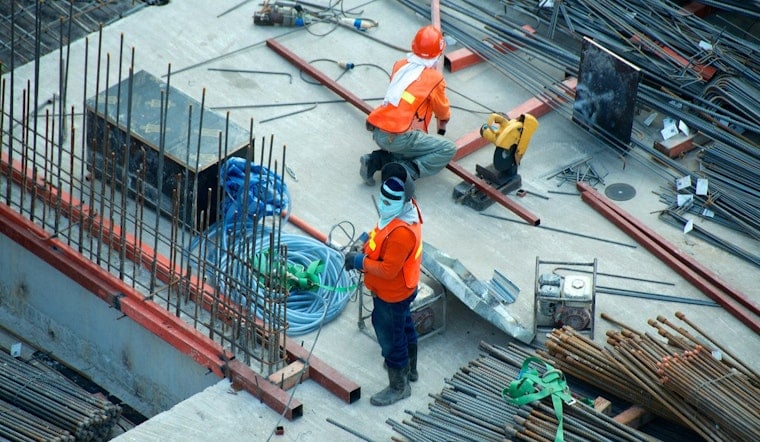
New York City lawmakers are weighing a first-of-its-kind “heat playbook” for construction sites that could bring work to a halt when the mercury soars, and require everything from chilled water to on-site medical checks during hot spells.
The bill, introduced by Council Member Carmen De La Rosa, would set a “heat stress” trigger at 85°F and an “extreme heat” cutoff at 95°F. Once temperatures hit 85°F and stay there for at least an hour, formal protections would kick in. If the temperature reaches 95°F for an hour or more, most work would have to stop for at least an hour, unless the Department of Buildings signs off on emergency work. Supporters cast the proposal as a common-sense response to hotter summers and recurring heat illness among outdoor workers.
Under the legislation, permit holders would need a site-specific heat action plan and would have to follow strict rules once the 85°F threshold is met for an hour. The proposal calls for hydration stations with drinking water kept at 60°F or below, at a rate of at least one quart per worker per hour, as well as shaded or ventilated rest areas that are large enough for preventive breaks. It also requires heat-appropriate personal protective equipment, medical monitoring, and a duty to report heat illness incidents to the Department of Buildings. As detailed by the New York City Council, the bill would bar work once the temperature hits 95°F for an hour or more, unless the agency authorizes emergency work.
Backers And City Response
Labor organizations and some corners of the construction industry are already lining up behind the measure. In comments to The Real Deal, Mason Tenders business manager David Bolger said unions look forward to working with the Council to advance the bill. New York Building Congress CEO Carlo Scissura described the proposal’s provisions as “sensible” steps for worker safety.
City Hall is reserving judgment for now. The mayor’s office, through spokesperson Matthew Rauschenbach, told The Real Deal that it is reviewing the proposal and that “construction worker safety is of utmost importance to the Mamdani administration.”
State And National Context
The Council’s move lands in the middle of a broader fight over how to handle dangerous heat on the job. Federal OSHA proposed a national heat illness prevention rule in 2024, and advocacy groups point to a growing patchwork of state-level protections. The federal proposal is detailed in the docket at OSHA, with additional analysis from the NRDC. That mix of federal and state action helps explain why City Council members are treating heat protections for workers as an urgent issue rather than a long-term wish list item.
Industry Concerns
Not all of the Council’s construction-related ideas are getting a warm reception, and the heat bill itself will have to clear plenty of questions about logistics and enforcement. As reported by The Real Deal, a companion proposal to tighten oversight of construction waste management has already irked major real estate interests. The Real Estate Board of New York blasted that measure as “overly prescriptive,” and contractors warned that additional requirements could slow projects at a moment when the city is trying to speed up housing production.
Department of Sanitation Commissioner Gregory Anderson told the Council that he supports cracking down on illegal dumping but wants a clearer sense of how the waste oversight changes would play out on construction sites. It is a preview of the kind of practical, day-to-day questions that are likely to surface around enforcement of any heat rules as well.
What’s Next
The heat bill was introduced on Jan. 29 and is now parked in the Council’s Housing and Buildings Committee, where hearings and amendments are expected before it gets anywhere near a floor vote. The Council’s legislative portal, available through the New York City Council, contains the bill text and shows the referral date.
If the measure passes and is signed into law, it would take effect 120 days after enactment, a built-in runway for agencies and employers to draft guidance and gear up for compliance.
In practice, the rules would force contractors and site supervisors to plan for heat the same way they already plan for scaffolding, harnesses, and other safety basics, reshaping daily logistics on some of the city’s busiest construction jobs. Supporters frame the shift as a straightforward way to prevent heat-related illness among workers who spend long summer days on rooftops and scaffolds. Industry groups counter that the fine print on enforcement and operational guidance will ultimately decide whether the policy becomes another drag on work schedules or a lifesaving shield for crews in the sun.



