

























































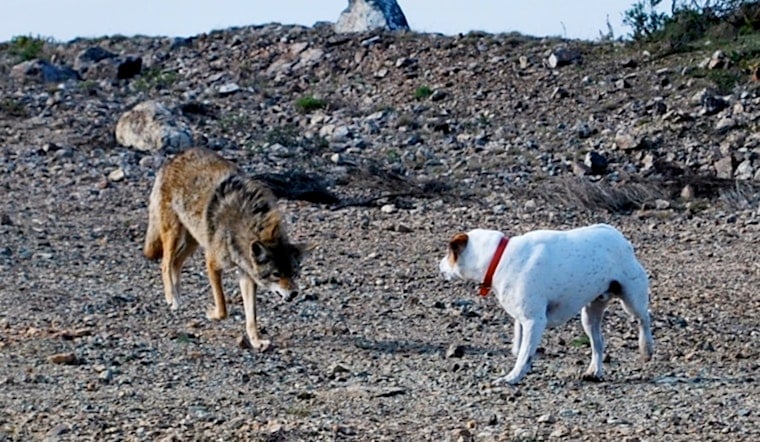
Coyotes are making their presence known in Bloomington, with police confirming that two dogs were recently attacked in separate incidents. Both pets survived and are recovering, but the encounters have rattled local residents and prompted a fresh round of reminders about how to keep animals safe, especially for people living near woods, parkland, and other coyote-friendly terrain at dawn and dusk.
What police say
According to Bring Me The News, the Bloomington Police Department reported two separate coyote-on-dog attacks in different parts of the city. The department noted on social media that “Coyotes are a natural part of our environment and can be found throughout the city.” Officers stressed that spotting a coyote is not unusual, but that residents should take clear, simple precautions to keep pets from becoming an easy target.
How to protect your pets
Per City of Bloomington guidance, dog owners are urged to keep pets on a short leash during walks, while cat owners are encouraged to keep their pets indoors whenever possible. Officials also recommend removing outdoor food sources, including unsecured garbage and bird feeders that spill seed, which can turn a yard into a wildlife buffet.
The city’s animal control materials outline hazing techniques that residents can use to remind coyotes that humans are something to avoid, not approach. That includes making loud noises, waving your arms, and using noisemakers to re-establish a coyote’s natural fear of people. For aggressive or sick animals, Bloomington Animal Control can be reached at 952-563-4942.
Why coyotes are showing up
The Minnesota DNR notes that coyotes are firmly established across the state and are increasingly common in the Twin Cities metro. Easy access to food and shelter near neighborhoods can draw them closer to homes.
DNR information describes coyotes as opportunistic animals that will prey on small pets if they get the chance. Coyotes that become accustomed to human food or regular human presence are more likely to act boldly. Wildlife officials emphasize that cutting off attractants and consistently hazing coyotes that wander too close are the most effective strategies for preventing conflicts.
If you encounter a coyote
If you run into a coyote that seems aggressive or refuses to leave when disturbed, local guidance recommends making yourself look as large as possible, speaking or shouting loudly, and slowly backing away while keeping eye contact. Do not leave small pets unattended outdoors, especially at dawn, dusk, or at night.
If an animal is acting aggressively, call Bloomington Animal Control at 952-563-4942 or contact police.


