

























































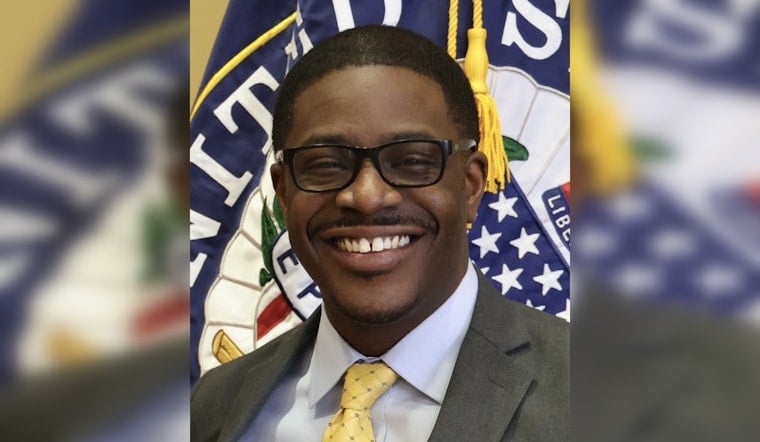
Milwaukee County Executive David Crowley wants to put nearly $7.5 million in opioid-settlement cash to work, and fast. On Thursday, he rolled out a proposal to expand treatment, harm reduction and prevention programs across the county, focusing on people with opioid and stimulant use disorders, youth in county juvenile facilities, older adults and regular users of county parks. The Milwaukee County Board is expected to take up the plan in July. If supervisors sign on, the money would launch new pilot programs, expand medication-assisted treatment inside jails and add staff to speed up the Medical Examiner's work and data-driven response efforts.
What Crowley's Plan Would Pay For
The proposal lays out eight distinct projects. On the list: an aging-and-disabilities outreach effort, an opioid-focused parks initiative that would equip rangers with naloxone and sharps-disposal options, a contingency-management pilot that combines drug testing and counseling with incentives, and grief-informed outreach for families who have lost loved ones. The package also calls for expanded substance-use education and treatment for youth at the Vel R. Phillips juvenile detention center, medication-assisted treatment for adults in custody, flexible grants for community providers and added staff in the Medical Examiner's Office, according to the Milwaukee Courier.
Where the $7.5 Million Comes From
The money would come from Milwaukee County's share of national opioid litigation settlements. Official county records show the county is slated to receive about $111 million over 18 years and has already committed roughly $34 million in earlier funding rounds. The new $7.5 million request is set up to be spent mostly between fiscal years 2027-2029 as a mix of county-run programs and targeted grants, according to Milwaukee County Legistar.
How It Lines Up With Recent Overdose Trends
County and local data show that fatal overdoses in Milwaukee County have fallen in recent years. There were 387 fatal overdoses in 2025, 249 of them tied to opioids, a drop from the 2022 spike, a trend reported by Spectrum News 1. County leaders credit settlement dollars and expanded harm-reduction tools, including supply vending machines and wider naloxone access, as key factors in that shift, while stressing that the overdose crisis is still very much present.
What Officials Say And What Happens Next
Crowley has framed the $7.5 million package as part of a larger push to expand access to care and drive overdose deaths down further, saying the investments will change lives and that "the lives of our neighbors depend on it," according to the Milwaukee Journal Sentinel. His administration says the spending is meant to advance racial equity and meet residents where they are, not just in clinical settings. The Milwaukee County Board is slated to consider the plan in July, with contracting and grant work to follow if the measure passes, according to county statements and local coverage.
If the Board signs off, county officials say they will begin moving money into pilot contracts and community grants ahead of the 2027 fiscal year, with an eye toward scaling up the most effective efforts across 2027-2029. Advocates and county staff plan to watch rollout details and equity benchmarks as the projects get underway. Officials say they will keep updating the county's overdose dashboard to track how the new investments are playing out on the ground.





