

























































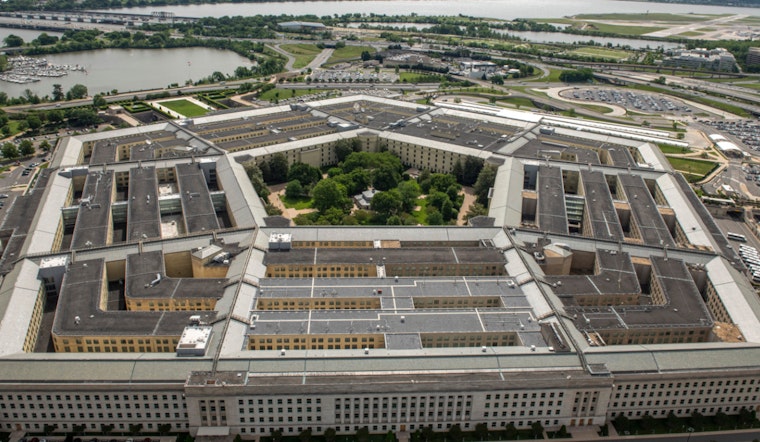
A federal appeals court in Washington on Monday hit pause on the Pentagon’s effort to remove serving transgender troops, while leaving in place a ban on new transgender enlistments as the legal fight grinds on. The split ruling trims back a broader lower-court order, keeping the active-duty plaintiffs protected for now even as aspiring recruits remain shut out, as reported by Reuters.
What The Appeals Court Did
A three-judge panel of the U.S. Court of Appeals for the District of Columbia Circuit ruled 2-1 that the Pentagon may not discharge the active-duty transgender plaintiffs while their lawsuit proceeds, but that it can continue enforcing rules that bar new transgender recruits from signing up. Circuit Judge Robert Wilkins wrote that the 2025 policy “appears to be driven by the bare desire to harm a politically unpopular group,” a conclusion that undercuts the administration’s argument that the restrictions are about military readiness, as reported by Reuters.
How The Judges Split
Wilkins said the court scaled back the earlier, broader injunction in part because “it appears to be a much greater hardship to end a military career than to delay the start of one.” Judge Justin Walker, a Trump appointee, broke sharply with that view, arguing in dissent that federal judges lack both the expertise and the authority to second-guess the military’s judgments about who is fit to serve. The clash on the panel highlights just how differently judges can read the Constitution when it comes to personnel policy inside the ranks, according to reporting from The Associated Press.
How We Got Here
President Trump signed an executive order in January 2025 declaring that adopting a transgender identity “conflicts with a soldier’s commitment to an honorable, truthful, and disciplined lifestyle.” Defense Secretary Pete Hegseth followed in early 2025 with implementation guidance that moved to disqualify people with a history of gender dysphoria from serving. The Supreme Court earlier allowed parts of the policy to take effect while lawsuits moved ahead, setting the stage for this week’s ruling by the D.C. Circuit. For earlier, local reporting on the fallout and political pushback, see McChrystal Rips Pentagon.
Who Is Affected
Plaintiffs’ lawyers and transgender-rights advocates quickly framed the decision as a vital shield for troops already in uniform. Jennifer Levi of GLAD Law, who represents the plaintiffs, said the ruling “confirms that the Trump Administration has no legitimate basis to discharge transgender service members who have met every demanding standard,” in a statement posted by GLAD Law. The number of people directly affected is hotly disputed: Pentagon officials have described the figure as being in the low thousands, while scholars and some advocacy groups point back to a 2014 estimate of roughly 15,500 transgender people serving on active duty or in the Guard and Reserves, as explained by the Williams Institute.
What Happens Next
Lawyers on both sides are expected to keep pressing their appeals. The D.C. Circuit’s move leaves in place protections for the named active-duty plaintiffs but maintains the bar on new transgender accessions, a middle-ground posture that is almost guaranteed to generate more filings. Either camp could ask the full D.C. Circuit to rehear the case or seek quick review from the Supreme Court, extending the uncertainty for service members, commanders and recruiters who have to live with the rules in real time. CBS News noted that the split decision is likely to fuel fast-moving follow-on litigation and keep the political fight over transgender military service very much alive.




