

























































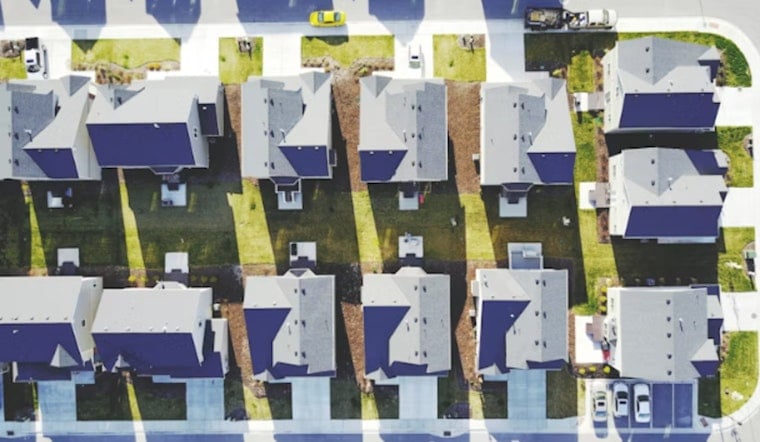
In Washington, D.C., some buyers are so desperate to get a jump on the market that they are putting their names on digital waitlists for homes that are not even for sale yet. The tactic is showing up most in Georgetown and other high-demand ZIP codes, where would-be buyers are quietly lining up for specific addresses long before a "for sale" sign ever hits the yard. The site powering the trend lets shoppers register interest in a particular property and signal they are ready to move, which, in D.C.'s tight single-family market, has become one more maneuver in the chase for a shrinking pool of homes.
How the Waitlist Works
According to Unlisted, the platform builds profiles from public property records, then lets buyers search those profiles and join a given home's waitlist. Homeowners can claim their profile, swap in updated photos, note a possible timeline for selling, or ask the company to pull the page down entirely. Unlisted says the whole point is to help owners "gauge interest" without having to commit to a public listing.
Why D.C. Is a Hotspot
The waitlist feature has caught on fast in the District. As reported by Axios, more than 9,200 D.C.-area homes have been waitlisted since Unlisted launched last year. Georgetown's 20007 ZIP code alone accounts for about 2,500 of those waitlists, with the Palisades and Spring Valley (20016) and Chevy Chase (20015) also ranking among the most-waitlisted areas.
It is all playing out in a market where detached single-family homes are not exactly cheap. Bright MLS data cited by Axios shows the median sale price for a detached single-family home in D.C. was roughly $900,000 in May, up from about $850,000 a year earlier.
Founder Says She’s Not Cutting Out Agents
Unlisted grew out of a neighborhood conversation, according to founder Katie Hill, and the company insists it is built to work with agents, not around them. Hill told Axios that the site relies on AI and public records to generate property profiles, and joked that "the biggest challenge we have with agents, honestly, is just the name." She emphasizes that Unlisted is not a brokerage and says the goal is to help move people toward a transaction more smoothly rather than edge real estate professionals out of the deal.
What Agents and Fair-Housing Experts Warn
Industry groups and fair-housing advisers see some potential land mines. They note that informal signals of buyer interest can drift into legally risky territory if personal information ends up swaying a seller’s choice.
The National Association of REALTORS® has already raised red flags about one version of that problem. It advises brokers to skip delivering buyer "love letters" because they can expose protected characteristics and create liability, according to NAR. Meanwhile, agents have flagged privacy and process concerns around Unlisted itself while the company tries to work real estate professionals into its workflow, as explained by Inman.
Should D.C. Buyers Sign Up?
Unlisted is not a golden ticket. It is one more tool for buyers who have a particular address in mind and are willing to put in some extra effort. Homeowners control their profiles, can update or remove them, and the site does not create secret pocket listings. Owners still decide if and when they will actually put a home on the market, per Unlisted.
For buyers, the primary upside is early visibility and a way to formally raise a hand on a property they love. For sellers, it can serve as a low-pressure temperature check on demand before they commit to a full listing process.
In the end, the waitlist model is another signal of how tight D.C.'s single-family market has become. Buyers are testing any new tool that might give them an edge, while agents and regulators work to keep innovation aligned with fair-housing rules. Services like Unlisted are likely to stay under the microscope in the District, especially in pricey ZIP codes where demand still outpaces supply by a wide margin.



