

























































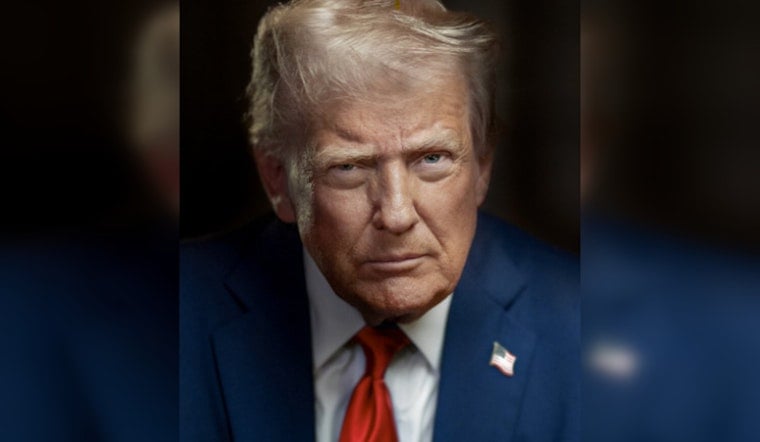
A Washington-based watchdog group on June 30, 2026 filed a flurry of federal open-records requests seeking internal White House documents on President Donald J. Trump’s medical care, sharpening the long-running fight over how much the public gets to know about a president’s health. The filings went to Defense Department offices that oversee the White House Medical Unit and military hospital care, landing just as lawmakers and outside physicians step up questions about what is, and is not, being disclosed.
American Oversight sent Freedom of Information Act requests to the Department of Defense and the Defense Health Agency asking for records that include inventory logs of medications stocked by the White House Medical Unit, emails from the president’s physician, Capt. Sean Barbabella, and correspondence with Walter Reed clinicians, according to the Tampa Free Press.
The new push comes on the heels of a brief White House summary of a recent Walter Reed visit that declared the president “in excellent health” and highlighted an unusually large medical team. A review by The Washington Post found the May checkup involved as many as 22 specialists, a number that has prompted some independent doctors and members of Congress to demand more specifics about what was being evaluated.
What American Oversight asked for
The watchdog’s FOIA filings, as outlined by the Tampa Free Press, focus on operational records such as medication inventories and logs, along with communications between senior White House medical officials and Walter Reed staff. The group is also seeking emails sent by Capt. Barbabella in his role as the president’s doctor. American Oversight specified that it was not asking for standard HIPAA compliance materials, signaling that it is trying to sidestep certain privacy barriers while still probing how the president’s care is managed and documented.
Capitol pressure
On Capitol Hill, Rep. Jamie Raskin is running a parallel inquiry. In a June 18 letter, he asked the White House physician to spell out the scope of recent exams and to provide medication lists and full test results. Raskin also pressed for explanations of repeated hospital visits and the need for such a large roster of specialists. In a statement to House Judiciary Democrats, he called for complete transparency about the providers involved, their specialties, and the medical findings.
Law, privacy and what can be withheld
The dispute is unfolding in a legal gray zone where transparency rules and privacy protections collide. FOIA gives the public a right to many federal records but includes exemptions for personal privacy and other sensitive categories. HIPAA, enforced by the Department of Health and Human Services, restricts disclosure of individually identifiable health information held by covered entities. As HHS explains, agencies often respond to requests by redacting protected health data while releasing more general administrative records.
Presidential records add another wrinkle. Separate statutes, including the Presidential Records Act, and related guidance control how presidential materials are preserved, who holds them, and when they can be made public. A Congressional overview of the Presidential Records Act lays out how those rules intersect with public records requests and the timing of any eventual release.
What happens next
Once agencies receive a FOIA request, they typically send an acknowledgment, then search for any records that might be responsive. The law sets target timelines, but those often stretch as officials locate, review, and, where they deem it necessary, redact information under one of FOIA’s exemptions. Requesters can seek expedited processing, appeal if records are withheld, and ultimately go to court if they believe an agency has improperly blocked access. FOIA.gov offers a step-by-step guide to the process and the available remedies.
American Oversight has cast its effort as a test of public oversight and continuity-of-government planning, arguing that the stakes are bigger than one administration. The White House, for its part, has insisted that President Trump is fit for duty and that his recent exams were routine. The coming weeks will show whether defense officials turn over significant material, heavily redact medical details, or resist the requests altogether, and whether that response triggers more aggressive moves from Congress or a showdown in federal court.





_(cropped)(2).jpg)