

























































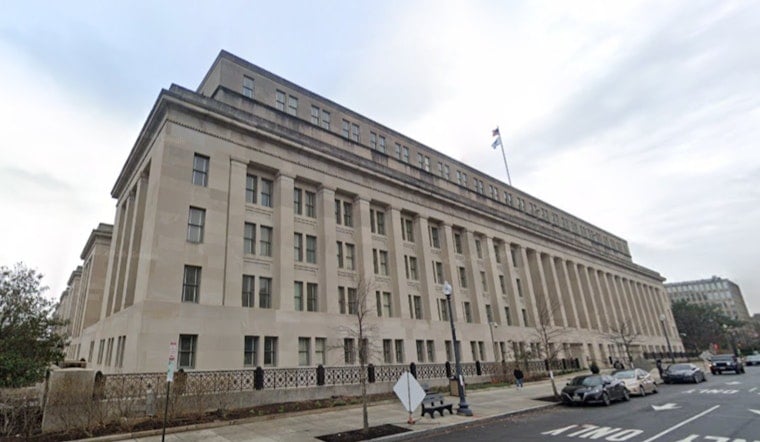
A Washington-based watchdog group is hauling the U.S. Department of the Interior into court, accusing the agency of sitting on records about who is rewriting history at national parks and other federal sites. Public Employees for Environmental Responsibility (PEER) says Interior has refused to hand over documents explaining how it decides which historical displays and interpretive materials to remove or revise under Secretarial Order No. 3431. The federal complaint, filed in Washington, D.C., alleges PEER submitted a Freedom of Information Act request in September 2025, then waited months with no meaningful response, leaving the public in the dark about who is steering changes at national park exhibits and other federally managed history sites.
PEER's Complaint and 'Stonewall' Claim
According to E&E News, PEER's lawsuit argues that the Office of the Secretary has "stonewalled" its request for internal reviews, memos and communications related to implementation of Section 5 of Secretary's Order 3431. The complaint says the records would shed light on who is calling the shots on changes to public-facing history. "The public has a right to know who inside this administration is deciding what version of American history gets told," PEER senior counsel Tony Irish told E&E. The suit characterizes Interior's delay as an unlawful withholding of public records under FOIA.
What the FOIA Request Sought and the Timeline
The U.S. Department of the Interior’s FOIA log shows that PEER filed its request on Sept. 5, 2025, seeking records of internal reviews and any actions taken by Interior bureaus under Section 5 of SO 3431. The entry for request number DOI-2025-009277 lists the Office of the Secretary and the National Park Service among the offices to be searched. Federal FOIA rules generally require agencies to issue an initial determination within 20 business days, with only limited extensions allowed, according to the DOI Office of Inspector General. PEER says Interior blew past those timelines.
What Secretary's Order 3431 Requires
The secretarial directive at the center of the fight, titled "SO-3431: Restoring Truth and Sanity to American History," directs the National Park Service and other land-management bureaus to comb through, and when deemed necessary, revise public-facing interpretive content. It explicitly names the National Park Service, Fish and Wildlife Service, Bureau of Land Management, Bureau of Indian Affairs and Bureau of Reclamation. The order also sets accelerated review deadlines tied to preparations for the nation's 250th anniversary.
Courts Have Already Pushed Back
Even as Interior rolls out the history-review program, at least one federal court has told the agency to hit pause in a related case. A federal judge in Massachusetts issued a preliminary injunction in June ordering Interior and the National Park Service to restore interpretive materials that had been removed and to halt further removals while that lawsuit plays out. The ruling warned that the program risked "censorship and sanitization" and gave the department 21 days to comply, along with weekly reporting requirements to the court, according to CBS News.
PEER's Legal Ask
In its D.C. complaint, PEER is asking the court to declare that Interior is unlawfully withholding the requested records and to order the department to start producing documents on a rolling schedule. The group also seeks attorneys' fees and other relief. The Civil Rights Litigation Clearinghouse docket confirms the filing in the U.S. District Court for the District of Columbia and lists the complaint and initial scheduling entries in the case.
How FOIA Suits Typically Move
When an agency misses FOIA's statutory deadlines, requesters can skip further agency wrangling and go straight to federal court. Judges can respond by ordering phased document productions, awarding fees or both to keep the process moving. Legal guides explain that a prolonged agency silence can count as "constructive exhaustion" of administrative remedies, which opens the door to litigation, according to the Digital Media Law Project.
Who Represents PEER and What's Next
PEER says it is represented by public-interest counsel that includes lawyers at the Free Information Group, with press accounts identifying FIG partner Kevin Bell as outside counsel. The lawsuit first drew public notice in a write-up at the LaDailyPost. Interior has publicly defended its broader historical-review effort while declining to comment on the specifics of the FOIA suit, as reported to E&E News. The D.C. court has imposed relatively quick early deadlines, and the case now heads toward discovery and whatever production schedule the judge ultimately orders.





