

























































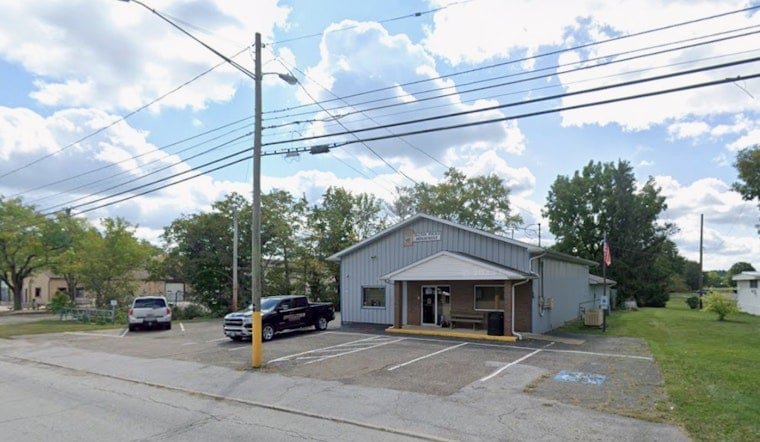
In a village where everybody seems to know everybody, Dalton’s police department quietly inked a memorandum of agreement with Immigration and Customs Enforcement that hands local officers new authority under Section 287(g) to help enforce federal immigration law. The move has jolted the community of about 1,900, with residents warning it could chill trust, sow division, and push vulnerable neighbors further into the shadows. Local doctors and parents say they are already seeing the fallout - fewer clinic visits and more hesitation to reach out to police.
As reported by Spectrum News 1, the agreement identifies five Dalton officers who will undergo ICE training and be authorized to investigate, identify, and arrest non-citizens for civil and criminal immigration violations as part of their normal shifts. "I chose Dalton because I wanted to raise my three kids here," longtime resident Jenny Fisher told Spectrum, and other neighbors warned the decision could discourage people from contacting police when they genuinely need help. Dr. Steve Murray, who has practiced medicine in Dalton for more than 20 years, told Spectrum he has already seen fewer Latino patients coming in for routine checkups.
What the agreement allows
Under Section 287(g) of the Immigration and Nationality Act, Immigration and Customs Enforcement can delegate specific immigration-enforcement powers to selected state and local officers once they complete federal training and operate under ICE supervision, according to program materials from ICE. Under the task-force model, those local officers can check immigration status and make arrests during day-to-day police work, while other 287(g) setups focus on activity inside jails or on serving immigration warrants.
Statewide surge and federal incentives
The spread of 287(g) partnerships in Ohio has been swift. The ACLU of Ohio found the state had zero active 287(g) agreements at the start of 2025, but by year’s end, there were 12 distinct memoranda of agreement in place across 11 counties. Civil-rights advocates point out that federal sweeteners have helped drive that surge. A national report from the ACLU says the Department of Homeland Security has offered participating agencies up to $100,000 for vehicles and roughly $7,500 per trained officer for equipment, along with salary reimbursements.
Why residents worry
National reporting and immigrant-rights organizations say turning local officers into de facto immigration agents can undermine public safety by scaring off victims and witnesses and by heightening the risk of racial profiling, a pattern documented by The Associated Press. Advocates also caution that departments can face civil rights lawsuits and other legal trouble if the program runs with weak oversight and few safeguards.
As reported by Spectrum News 1, Dalton’s police chief and the mayor declined to comment on the agreement. For now, neighbors say they will be keeping a close eye on village leaders and the department for concrete steps to curb profiling and protect what they describe as already fragile community trust.





