

























































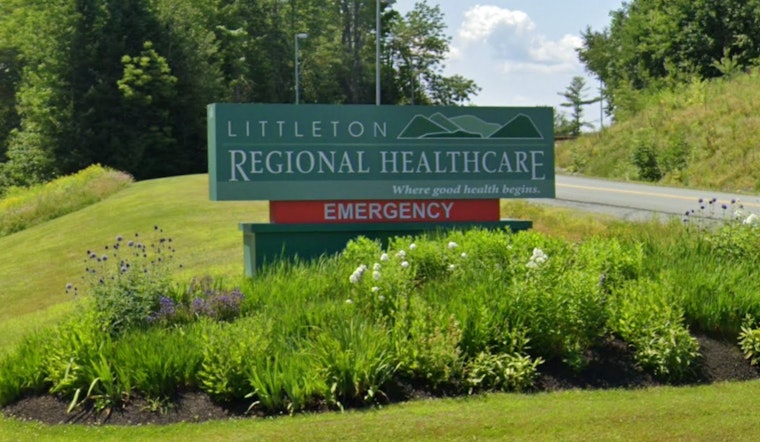
Dartmouth Health is tightening its grip on care across New Hampshire and Vermont, aiming to make specialty visits and home care less of a road trip for small-town patients. The Lebanon-based academic system has signed a letter of intent to bring Littleton Regional Healthcare into its network and has rebranded its longtime Visiting Nurse service as Dartmouth Health Home Care. System leaders say those moves, paired with new digital tools and a centralized capacity center, are designed to cut travel time and keep more care close to home for rural communities.
Littleton Deal And What It Means
Littleton Regional Healthcare, a 25-bed critical-access hospital in the White Mountains, announced on Sept. 12 that its board chose Dartmouth Health as a preferred partner and signed a nonbinding letter of intent to pursue full membership, according to Littleton Regional Healthcare. The agreement starts a period of due diligence and will be reviewed by the New Hampshire Attorney General’s Office, per reporting by New Hampshire Public Radio. LRH leaders say the affiliation is meant to preserve local programs while opening the door to Dartmouth’s specialty services and broader system resources.
Rebrand Brings Home Care Into The Fold
In March, Dartmouth Health formally rebranded Visiting Nurse and Hospice for Vermont and New Hampshire as Dartmouth Health Home Care, folding nearly 120 years of community nursing into the academic system. Dartmouth Health said the rebrand gives patients fuller access to in-home nursing, hospice, rehabilitation and system specialty resources across more than 140 towns and is intended to reduce unnecessary hospital stays. Dartmouth Health framed the change as a way to better integrate home care with the rest of its services.
Rural Focus, In Their Words
Jennifer Gilkie, Dartmouth’s chief communications and marketing officer, told Chief Healthcare Executive that most of the system’s patients live in rural communities and that the organization has to plan around that reality. "We're the most rural academic health system in the country," Gilkie said, noting that transportation hurdles routinely factor into care planning. "We do provide transportation to our various facilities," she told the outlet, underscoring why Dartmouth is putting money and effort into local capacity and telehealth.
Coordinating Beds And Referrals
To manage capacity across its footprint, Dartmouth leaders have built an enterprise capacity center to coordinate beds, transfers and referrals among the system’s nine hospitals, the health system said when it announced the Littleton affiliation. The capacity center is intended to "place patients at the closest and most appropriate hospital" when care can be handled locally, freeing Dartmouth Hitchcock Medical Center in Lebanon to concentrate on highly complex cases. Executives say better matching of demand and local supply cuts down long drives for patients and helps steady staffing across community hospitals. Dartmouth Health laid out that regional strategy when it detailed the partnership.
Digital Fixes And Scorecards
The system is also leaning on technology. An updated "Find Care" tool and an executive dashboard and scorecard to track access and performance are in use, Gilkie told Chief Healthcare Executive. Administrators say those tools help patients locate clinicians closer to home and give leaders a single view of wait times, placement and follow-up metrics across clinics and hospitals.
How This Fits In A Wider Trend
The local moves fit into a broader pattern in rural healthcare. Small hospitals in outlying areas have increasingly pursued affiliation with larger systems to shore up finances, recruit clinicians and expand telehealth, according to industry M&A roundups. Observers note that affiliation can preserve services but also raises questions about local control and costs as regulators scrutinize each deal. For industry context, see reporting on 2025 M&A activity in rural healthcare at HealthTech.
Community Watching Closely
LRH and Dartmouth have invited the public into the process, holding listening sessions and posting an LOI executive summary and FAQs on the hospital’s site, according to LRH. Hospital leaders say residents will have opportunities to ask which services will remain local and how staffing and costs will be handled during integration.
Next Steps: Oversight And Outcomes
Any final deal will need regulatory sign-offs and close review. As New Hampshire Public Radio reported, the Attorney General’s Office will review the affiliation, and community advocates say that oversight will determine whether the partnership ultimately preserves affordable, high-quality local care over the long term.




