

























































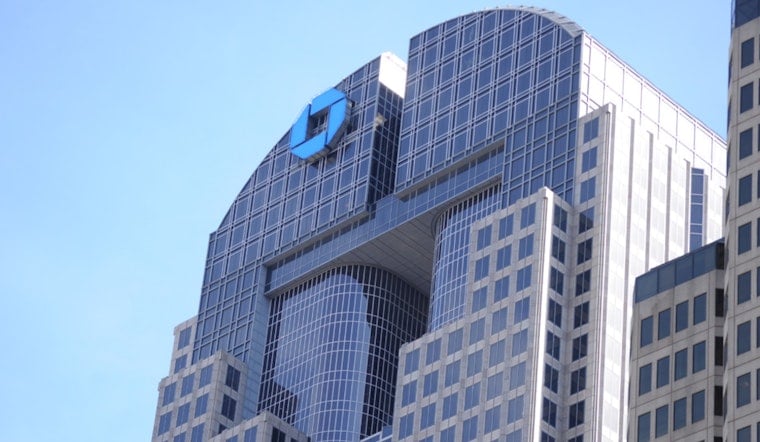
Federal prosecutors in Washington, D.C., have hauled in some of the country’s biggest banks with sweeping subpoenas tied to a criminal probe of alleged “debanking” — claims that customers lost access to their accounts because of their politics or religious beliefs. The subpoenas, which focus on giants including JPMorgan Chase, Bank of America and Wells Fargo, mark a sharp escalation in federal interest in how lenders decide which customers to serve or cut loose.
The inquiry burst into broader view after The Wall Street Journal first reported the move, with the details pulled together by Forbes. According to that account, the subpoenas were issued by the U.S. Attorney’s Office for the District of Columbia, led by Jeanine Pirro, and reach across multiple business lines, demanding records that stretch back several years.
A dispatch from Reuters via Yahoo Finance says prosecutors want lists of customers who were allegedly debanked, internal documents explaining why accounts were closed and any communications with regulators about those moves. The report also notes that Wells Fargo is in the mix along with JPMorgan and Bank of America, and that some of the demands were already landing as far back as last year.
Regulatory backdrop
The Justice Department’s move builds on work that followed President Trump’s executive order on “fair banking” and a year-long review by the Office of the Comptroller of the Currency. In a December report, the OCC said it had pressed the largest national banks for documents and found they had used “reputation risk” and sector-based limits in ways that could choke off access to services. Those findings form part of the framework prosecutors are now leaning on as they press for more records. OCC
What investigators are looking for
Prosecutors are zeroing in on whether banks pulled the plug on accounts because of a customer’s viewpoints rather than traditional reasons like compliance, fraud or financial risk. Reporting indicates they are weighing potential violations of statutes that include the Financial Institutions Reform, Recovery and Enforcement Act. Legal analysts say the subpoenas are deliberately broad, giving the government room to spin off either civil or criminal actions depending on what turns up in the files. See analysis from Bloomberg Law.
Banks push back
The banks, for their part, insist they are not in the business of political litmus tests. They argue that accounts are closed for familiar reasons like anti-money-laundering rules, fraud flags or plain old contract violations, not because of what a customer believes. In past lawsuits and public statements, JPMorgan has rejected accusations that it shuts down customers over political or religious views and has defended its internal processes as driven by compliance needs. Those denials, paired with how the banks respond to the subpoenas, will be front and center as prosecutors wade through the paper trail. Forbes
Why it matters
If investigators conclude that political or religious viewpoints were the deciding factor in who got to keep a bank account, they could push for penalties, force policy changes or tee up referrals that lead to civil lawsuits. The OCC’s earlier review flagged several sectors that have seen tighter controls, including digital-asset firms, energy companies and firearms-related businesses, and customers in those areas say the bottom-line impact can be losing access to basic banking. That mix of reputational worries, compliance costs and political heat has left some lawful businesses scrambling just to find a place to park their money. OCC
What’s next
For now, the subpoenas are simply a fact-finding tool, not a finding of wrongdoing, and the results will guide whether prosecutors bring charges or instead hand matters off to bank regulators. Expect weeks or months of haggling over the scope of what the banks must produce, and a fluid probe as prosecutors cross-check internal records against public complaints and prior regulatory reviews. Fox News has already aired coverage of the investigation, and the original segment’s video is available online. Fox News



