

























































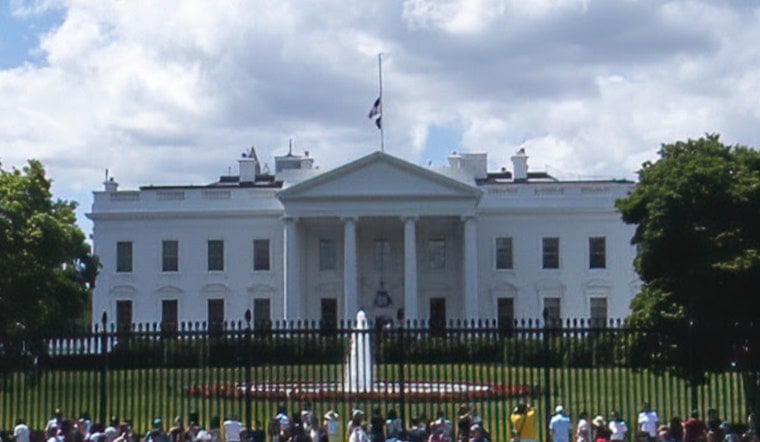
A wave of recent reporting has lawyers and lawmakers in Washington sounding the alarm after defense attorneys said some wealthy clients now talk about presidential clemency like it is something you can buy. The going quote, they say, is between $1 million and $2 million for a serious pardon pitch, a number that surfaced just as the White House was weighing a possible mass clemency move tied to the nation’s 250th birthday. If those whispers are accurate, one of the broadest powers in the Constitution is starting to look less like mercy and more like a marketplace where money and access outrun victims’ interests and settled law.
RT @S_Fitzpatrick: NEW: “It is general knowledge in our practice that for $2 million, you can have a pardon,” a prominent defense attorney… https://x.com/i/status/2071908327320080779
— Sam Liccardo (@sliccardo) June 30, 2026
Where the Claim Came From
As reported by The Atlantic, a prominent white collar defense attorney told reporters that “it is general knowledge in our practice that for $2 million, you can have a pardon,” and several other lawyers said they had heard $1 million to $2 million floated as the standard ask. The Atlantic linked those comments to internal White House discussions about a possible “250 for 250” clemency push tied to the Fourth of July. The White House, the magazine reported, described its approach as a review process that ultimately ends with the president as the final decision maker.
Examples That Stoked Scrutiny
Reporting and watchdog groups point to a run of clemency decisions that critics say look uncomfortably like pay to play. Forbes laid out a roster of high profile cases, including donations and lobbying work tied to figures such as Trevor Milton and Julio Herrera Velutini, that have fueled calls for deeper oversight. Those examples, critics argue, show how clemency can wipe away restitution or fines that would otherwise flow to victims, effectively turning a presidential favor into a financial hit for people who were already harmed.
Congress Steps In
Senate and House Democrats responded in early May with a bicameral investigation, sending letters to more than a dozen clemency recipients to demand contracts, communications and other records related to their pardon efforts, according to CBS News. Lawmakers warned that pardons that erase restitution and fines deprive victims of compensation and cautioned that recipients who fail to cooperate could face additional scrutiny. The letters set a firm deadline for responses and signal that oversight pressure is ramping up even without subpoenas on the table yet.
Legal Implications
Watchdog groups say that if intermediaries took money to influence clemency decisions, the fallout could include criminal and civil exposure ranging from federal bribery investigations to campaign finance inquiries, and that regulatory enforcement actions might follow. Campaign Legal Center has documented that recent clemency grants have erased more than a billion dollars in restitution and penalties, a pattern that creates tangible harms for victims and complicates any effort to claw back financial losses.
What to Watch Next
Reporters, reform advocates and members of Congress are now waiting to see what turns up in the documents and replies prompted by those congressional letters, looking for any paper trail that either backs up or punctures the story of brokered pardons. The Atlantic’s reporting, paired with the Democrats’ letters, makes clear that these questions are no longer theoretical. The disclosures that follow, and any investigations they spark, could reshape how presidential clemency is perceived and determine whether lawmakers have the appetite to push for new rules on transparency and review.





