

























































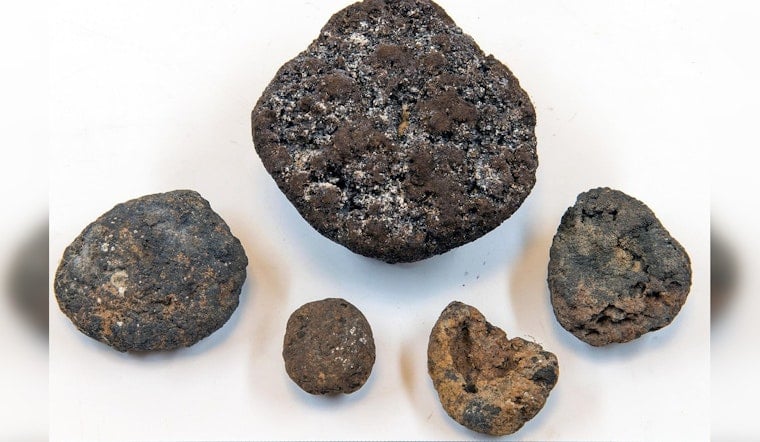
Glomar Minerals has Greater New Orleans in its sights as one of two finalists for Project Infinity, a proposed U.S. refinery that would process metals from polymetallic nodules gathered on the deep Pacific seafloor. The plant, as described in company materials, would take in enough nodule feedstock to refine close to 200,000 tonnes of manganese, cobalt sulphate, nickel and copper each year. Local economic development leaders see the prospect of a major industrial prize in port activity and jobs, while conservation groups warn that the still nascent deep-sea mining sector carries big scientific and ecological unknowns. Glomar executives say they intend to choose a site by the end of the summer.
Project Infinity and its partners
Project Infinity is a consortium between Glomar Minerals and Australia-based Cobalt Blue that aims to build what the companies describe as a world-first commercial plant to process polymetallic nodules. According to Cobalt Blue, the planned facility is designed to handle roughly 200,000 tonnes per year of nodule feedstock, using Cobalt Blue’s hydrometallurgical flowsheet and pilot work at its Broken Hill Technology Centre. The partners say initial output would include refined manganese, cobalt sulphate, nickel metal and copper metal, framed as part of a broader U.S. supply-chain push.
Why New Orleans is on the shortlist
Greater New Orleans, Inc. has told local officials it pitched the metro area to Glomar at an energy conference earlier this year, and the company has now narrowed its list to two Greater New Orleans locations, according to reporting by NOLA. That report notes that Project Infinity is designed to produce thousands of tonnes of cobalt-containing material, including roughly 7,500 tons of cobalt hydroxide annually. Glomar’s executive chairman told the outlet that the firm identified four possible sites after vetting more than two dozen candidates around the country. Company representatives have told local partners they expect to select a final location by the end of the summer.
Money, jobs and the supply-chain angle
Industry reporting and company statements suggest the plant could cost up to several hundred million dollars to build and would be aimed at feeding U.S. manufacturing and defense supply chains. BairdMaritime, which republished Reuters coverage of the consortium, reports that the partners initially planned to choose a U.S. site by June and to target commercial production within a few years. According to those statements, capital spending for an initial processing phase is expected to come in below $500 million. Supporters point to job creation and fresh industrial investment, while the companies have not yet announced binding offtake contracts or confirmed government funding.
Environmental and regulatory questions
Deep-sea mining remains sharply contested. Campaigners including Greenpeace and allied groups have called for moratoria or much more study, arguing that there are wide gaps in scientific understanding of abyssal biodiversity and how, or whether, those ecosystems recover from disturbance. A recent summary of International Seabed Authority council discussions underscores how governments, scientists and NGOs continue to debate the rules that would govern seabed operations and how to balance supply-chain goals with protections for the ocean. That regulatory uncertainty, spanning international oversight, any U.S. permitting path and possible defense or export reviews, will influence whether a refinery like Project Infinity ultimately lands on American soil.
What happens next: Glomar’s site decision and any local agreements with ports, utilities and permitting agencies are expected to come first, while federal or international policy shifts could alter the sector’s overall timetable. Local officials and environmental organizations in New Orleans say they plan to keep a close eye on the company’s outreach and technical disclosures as the summer site selection deadline approaches.





