

























































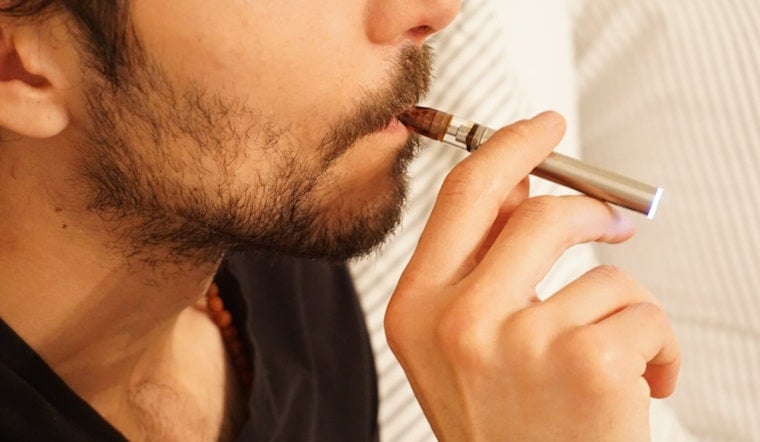
A Pittsburgh courtroom has turned into an unexpected flashpoint in the debate over delta‑8 THC, after a judge convicted a young man of attempted homicide while his lawyers argued the hemp-derived product sent him into a psychotic break. The case is shining a harsh light on an often unregulated market that puts intoxicating hemp products on convenience-store shelves and vape-shop counters across the region.
What Happened In Pittsburgh
Judge Edward Borkowski found 21-year-old Jasper Hilliard guilty of attempted homicide in mid-June 2026 after prosecutors said the Shadyside stabbing left Al Carlson gravely injured. Hilliard told police he had been hearing voices, and experts for both the defense and prosecution agreed he had acted in a "substance-induced state of psychosis." These details were reported by CBS Pittsburgh.
Why Health Officials Are Sounding Alarms
The U.S. Food and Drug Administration says delta‑8 products "have not been evaluated or approved" and has tracked 104 adverse-event reports - including hallucinations, confusion, vomiting and loss of consciousness - tied to delta‑8 use, according to the FDA. The Centers for Disease Control and Prevention has likewise issued an advisory about the rising availability of delta‑8 products and related adverse events, the CDC notes. Local clinicians say the combination of limited testing and easy retail access makes it difficult to track or prevent harms.
What Is Actually In The Stuff You Buy
Most delta‑8 sold in stores is made by chemically converting CBD into a similar THC isomer, a process that can leave behind solvents or reaction by-products if manufacturers do not properly purify the extract. A peer-reviewed review in PubMed Central documents impurities and conversion by-products found in some synthetic cannabinoid products, raising safety concerns, according to PubMed Central. Field and social-media research also shows delta‑8 products are commonly offered at gas stations, vape shops and online, which increases the chance of accidental ingestion or use by teens, according to an RTI study from RTI International.
Federal Deadline Will Reshape The Market
Congress changed the federal definition of "hemp" in late 2025 and set an implementation date of November 12, 2026, replacing a delta‑9-only test with a "total THC" standard, imposing a 0.4-milligram per-container cap, and excluding synthetically converted cannabinoids. Legal analysts say those changes will, absent intervening legislation, reclassify many delta‑8 products as marijuana and effectively remove them from the hemp marketplace, according to Frier Levitt. Retailers and regulators have a limited window to adapt product lines and testing systems.
Where Pennsylvania Stands
While roughly two dozen states have banned or tightly restricted delta‑8 sales, Pennsylvania has not enacted a statewide ban and the products remain available in many local stores. As CBS Pittsburgh reports, proposed recreational-marijuana legislation under discussion in Harrisburg would require testing for synthetic cannabinoids and limit sales to authorized dealers, a step that would push many delta‑8 items out of gas stations and smoke shops. Families and clinicians in the region say they want lawmakers to move faster than the federal deadline.
What Consumers Should Know
The FDA's guidance is blunt: delta‑8 products have not been vetted for safety and should be treated with caution, particularly around children, pregnant people and pets. If consumers decide to use hemp-derived products, experts recommend seeking independent lab Certificates of Analysis that show testing for potency, residual solvents and heavy metals, and avoiding brightly packaged edibles that look like candy.



