

























































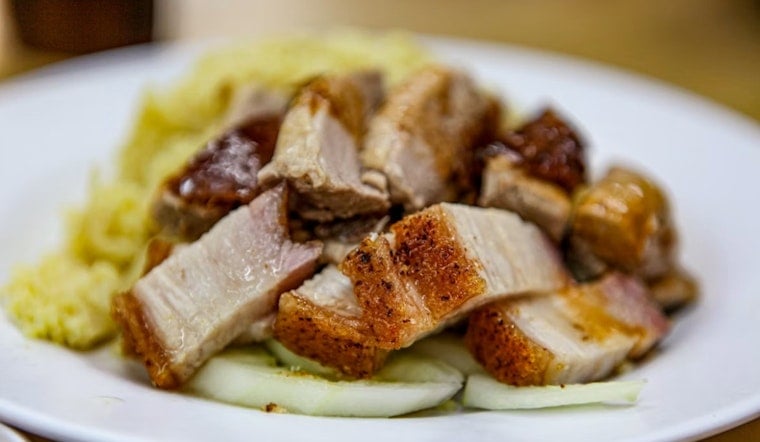
Gene-edited “GalSafe” pigs could give some people with a tick-linked red-meat allergy a way to eat pork again without risking a late-night trip to the ER. The animals are bred so they do not produce the alpha-gal sugar that can trigger delayed anaphylaxis in certain patients, and that also complicates pig-to-human organ transplants. For now, the meat is not in grocery stores, since the herd is primarily raised for transplant research, and limited supplies are being routed to patients and scientists.
What GalSafe Pigs Are
GalSafe pigs have an intentional genomic alteration that removes the alpha-gal sugar from their cells, a design meant to reduce both the risk of food allergy and the odds that a pig organ will be rejected by a human immune system. According to the FDA, regulators have signed off on that alteration for use in food and as a potential source of therapeutic materials, which the agency describes as a first for an intentionally altered animal lineage. Researchers say removing alpha-gal is a critical step for xenotransplantation and also creates a rare chance to study meat that lacks the molecule blamed for alpha-gal syndrome.
Who’s Eating It (So Far)
Local interest jumped after the story surfaced in mainstream and agricultural media. The Denver Gazette reported that cookbook author and ranching celebrity Ree Drummond said her son-in-law was diagnosed with alpha-gal after a tick bite. As reported by The Associated Press, Revivicor, the Virginia company behind GalSafe, has been shipping small amounts of GalSafe pork by mail at no cost to patients who apply. The company has not partnered with commercial meatpackers, so shoppers are not seeing GalSafe chops or bacon in retail cases.
Alpha-Gal, Ticks And Where The Risk Is Growing
Alpha-gal syndrome is an immune reaction to a sugar called galactose-alpha-1,3-galactose that is found in most mammal tissues and can cause hives, gastrointestinal distress, and, in severe cases, anaphylaxis several hours after a person eats mammal meat. The condition is most often tied to bites from the lone star tick, which the Centers for Disease Control maps as widely distributed across the eastern United States. Public-health and extension officials say cases are now being diagnosed in new areas, and state outreach has increased after rising reports from places such as Kansas and Oklahoma, as clinicians and agriculture communities recognize more patients with the condition.
Controversy And The Ethics Conversation
The louder debates about alpha-gal reach beyond medicine. Two bioethicists published a paper in the journal Bioethics arguing, as a philosophical exercise, that intentionally promoting tick-borne alpha-gal might act as a “moral bioenhancer” that reduces meat consumption. The idea drew strong online backlash. In the article, the authors frame their proposal as a theoretical ethics discussion rather than a real-world policy prescription.
What This Means For Locals
For people in Colorado and elsewhere, the bottom line is straightforward: GalSafe is intriguing science, but it is not a ready-for-prime-time grocery option. The FDA found that the GalSafe alteration met its safety review for food and potential therapeutic uses, yet the animals and most of their production remain tied to transplant research instead of retail meatpacking. Patients with alpha-gal should continue seeing allergists for evaluation and testing and carry emergency medication if advised. Public-health officials also recommend that everyone stick with routine tick-avoidance steps, including using repellents, wearing permethrin-treated clothing, and doing regular tick checks after time in tick habitat.





