

























































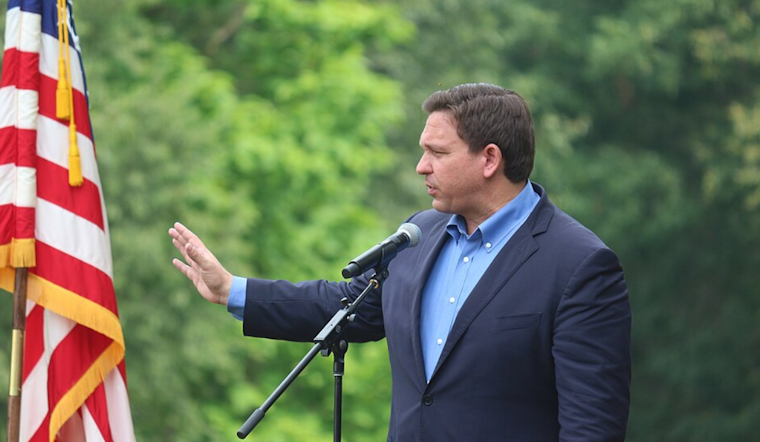
Gov. Ron DeSantis signed six more bills into law yesterday, adding to a legislative year that has already churned out well over 170 new statutes. The latest batch touches everything from early-childhood rules to shielding crime victims’ addresses, with most provisions kicking in July 1. One new rental-fraud crime will wait until Oct. 1 before it starts carrying felony time.
The new laws are SB 298 (expanded public-records exemptions for domestic-violence victims), SB 820 (tighter reporting rules for problem-solving courts), SB 1690 (updates to early-learning and child-care regulation), HB 625 (expanding the Justice Administrative Commission), HB 655 (a new public-meeting exemption for certain attorney conferences) and HB 1293 (creating the crime of fraudulent entry of residential units). That lineup and the effective dates were compiled from local reporting and state bill records. According to ClickOrlando, most of the laws are set to take effect July 1 while HB 1293 is set for Oct. 1.
House Bill 1293 creates a new offense called “fraudulent entry of a residential dwelling unit,” aimed at people who get hold of a rental by turning in forged documents, false applications or by impersonating someone else, as per ClickOrlando. Legislative trackers and the enrolled bill text show the violation is punishable as a third-degree felony and that landlords may treat fraudulent entry as an act of noncompliance that can justify termination of a rental agreement, according to LegiScan. Sponsors and vote records show the measure moved quickly through both chambers this spring and is scheduled to take effect Oct. 1.
SB 298 expands public-records protections for victims of domestic and dating violence who participate in the state Address Confidentiality Program by exempting certain identifying information held by the attorney general, supervisors of elections or the Department of State. The Florida Senate’s bill page describes the exemption and ties its effective date to companion victim-protection legislation. See the Florida Senate for the bill for the official text and timing.
SB 820 tightens what the Office of the State Courts Administrator must include in its annual problem-solving court reports, spelling out more data points for early-childhood courts and veterans treatment courts and revising reporting schedules for mental-health and drug courts. Supporters say the changes are meant to standardize reporting so policymakers can better measure programs’ effectiveness and target funding. The Florida Bar outlines the reporting goals and the law’s intent to improve transparency and program evaluation.
SB 1690 makes several statutory changes to early-learning services and child-care regulation, including requirements that the Department of Children and Families and local licensing agencies electronically disseminate certain facility information to communities. The Senate bill page says the measure was chaptered on June 12 and lists a July 1 effective date, and the summary lays out which facilities must share which details. See the Florida Senate’s summary of Florida Senate for the full changes.
Two smaller but still consequential bills tweak behind-the-scenes government processes. HB 655 creates a public-meeting exemption that lets state and local agencies meet privately with attorneys about Bert Harris property-rights claims and keeps the meeting transcripts from disclosure until the claim is settled or the statute of limitations ends. HB 625 increases the number of Justice Administrative Commission members from four to seven. Both measures were enrolled and are scheduled to take effect July 1, per the Florida House records for Florida House and Florida House.
What This Means For Floridians
The fraudulent-entry law gives landlords and prosecutors a clearer criminal tool against schemes that use fake paperwork to grab rental units, though tenant-advocates warn about the risk of overbroad enforcement in closer-call cases. The public-records protections for domestic-violence survivors are designed to make it harder for abusers to mine government databases to track victims, but advocates say agencies will need to move fast if survivors are going to see real benefits.
The child-care and court-reporting changes are mostly administrative, so the real-world impact will hinge on how quickly agencies and courts update data systems and public portals ahead of the July 1 start date. The property-rights and legal-commission tweaks will be less visible to most residents, but they will shape how local governments handle land-use disputes and how the state’s justice administration is overseen.
Legal Implications
Turning fraudulent entry into a third-degree felony raises the stakes for anyone using forged or counterfeit documents to obtain housing, exposing offenders to potential prison time and strengthening civil remedies for landlords, according to LegiScan. The transcript exemption in HB 655 limits public access to attorney-meeting records during property-rights claims, which could reduce outside scrutiny of how those disputes are handled, and local reporting and bill summaries explain that transcripts remain sealed until a claim is resolved or the statute of limitations runs. State agencies named in the bills, including DCF and the Office of the State Courts Administrator, will need to update their reporting, licensing and disclosure systems to comply with the new rules.





.jpg)