

























































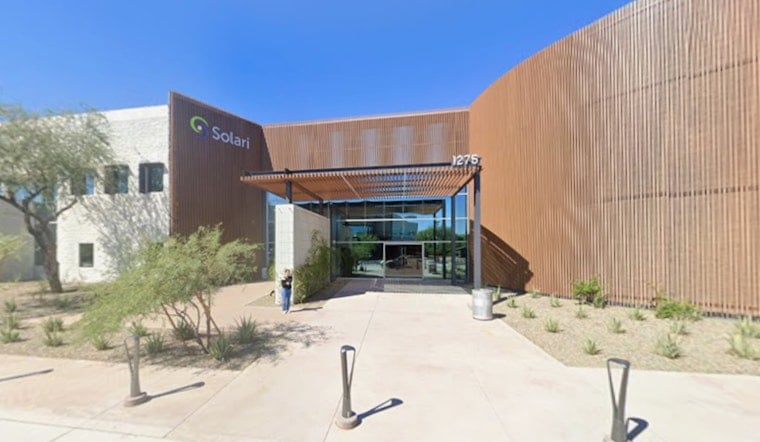
Arizona’s 2-1-1 help line is losing the human voices that made it a lifeline. Solari Crisis & Human Services will stop fielding live, trained operators for 211 Arizona on August 13, 2026, shifting callers to an automated menu and a searchable online directory instead. The change removes English- and Spanish-speaking specialists who now help people navigate housing, food, utility assistance and transportation. For many low-income Arizonans and residents without reliable internet, that lost conversation at the other end of the line will shrink an already thin safety net.
Solari announced the move Monday and said the shutdown stems from the new state budget not including ongoing funding for 211 Arizona, in a statement to ABC15. "For years, 211 Arizona has served as a lifeline for individuals and families seeking help during some of life's most challenging moments," Solari CEO Justin Chase said in that statement. The nonprofit said the phone number and online database will remain available, but trained operators will not answer calls after the August cutoff.
What 2-1-1 does now
211 Arizona currently connects callers to local resources, from shelter and food to healthcare, utility assistance and veterans services, and offers live-operator help in English and Spanish during daily hours, according to 211 Arizona. The program also maintains a statewide directory that people can search online or access by dialing 2-1-1.
Scale of the service at risk
Solari says that in the 10 years it has run 211 Arizona, call specialists have answered more than 700,000 live calls and made over 1.1 million referrals, and that its transportation work has coordinated more than 70,000 rides, including roughly 18,000 heat-relief rides in the last three years, figures reported by ABC15. Those numbers show how deeply the line is woven into responses to both everyday needs and seasonal crises.
How the state budget left a hole
Lawmakers and the governor approved an $18.3 billion state budget in mid-June that prioritized other areas and did not include ongoing support for 211 Arizona, a trade-off noted in coverage of the package. Reporting on the budget describes broad choices across agencies as leaders balanced tax cuts and competing priorities while leaving some nonprofit programs without state backing, according to KJZZ.
Partners step in but gaps remain
Private and local partners have tried to soften the blow. Arizona Public Service pledged $1 million to support 211 Arizona last year, per an APS news release, but that one-time boost was not enough to replace recurring state dollars. The Maricopa County Department of Public Health, which has relied on 2-1-1 to route people to cooling centers, water and heat-relief transportation, says it is working on short-term plans to help residents find relief and rides through the end of the official heat season on September 30, according to county materials and planning documents. The county has detailed programs that depend on 211 for that coordination, according to the Maricopa County Department of Public Health.
After August 13, callers will still be able to reach the 211 Arizona automated phone system and the searchable database at 211arizona.org. Community groups, however, warn that automation cannot fully replace a trained specialist who can sort through complex eligibility rules or arrange emergency rides on the spot. Local agencies and elected officials say they are scrambling to patch gaps for the summer and fall while urging residents to save contact information for local shelters, cooling centers and utility-assistance programs.
We will continue tracking developments as county and nonprofit partners lay out contingency plans and any state-level responses to restore live-operator service ahead of the next budget cycle.





